This post will be a little more emotionally triggering than the previous ones. Please read with caution. It contains some graphic information.
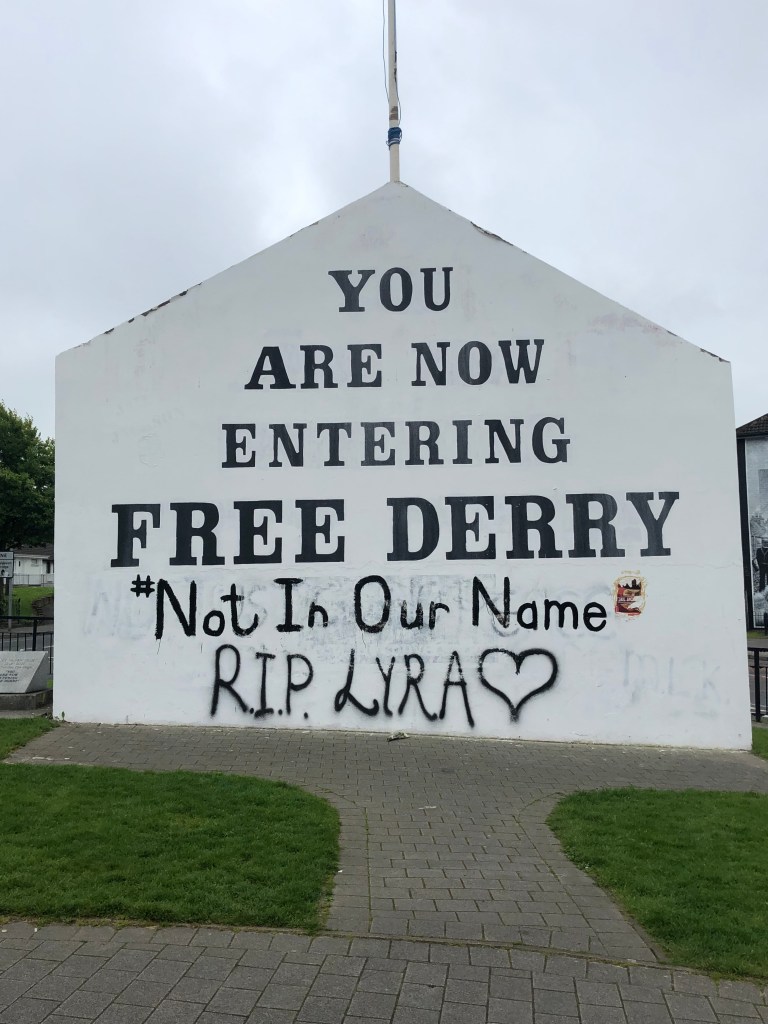
Londonderry or Derry, depending on whether one is Protestant or Catholic, is a city that has endured immense hardship because of the violence in Northern Ireland. During my visit to Derry, I had the opportunity to visit the Free Derry Museum and do a walk of the area, in Derry, known as the Bogside. The visit was one of the most emotional parts of my trip to Northern Ireland.
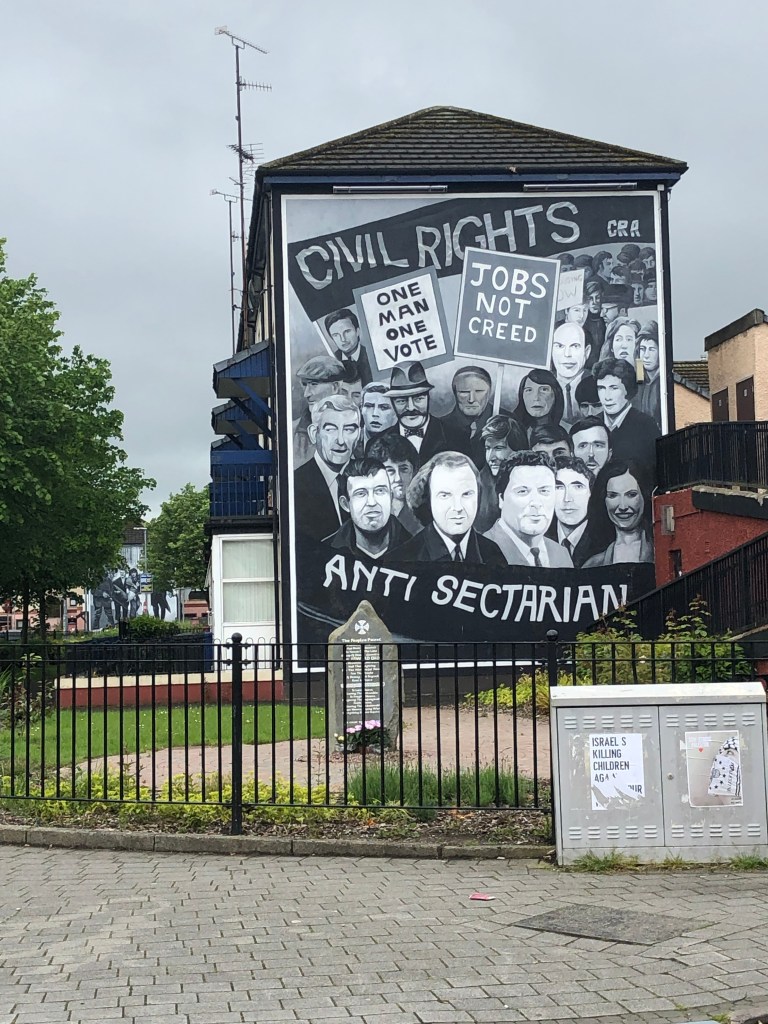
Inside the museum of Free Derry, I could feel the pain of a people who had been fighting for equality in their home city. The museum portrays Derry as an integral part of Northern Ireland’s Civil Rights Movement and therefore a key player in the period called the ‘Troubles’. This period was to begin after the Civil Right’s March in 1968 that took place in the Bogside. Derry’s Catholic citizens were fighting for equal housing opportunities, voting rights, fair treatment in employment, and the end of gerrymandering. Catholics had long been a minority in Northern Ireland when they were actually the majority on the island. Because of this the Protestant majority, in Northern Ireland, oppressed the Catholic minority for years.
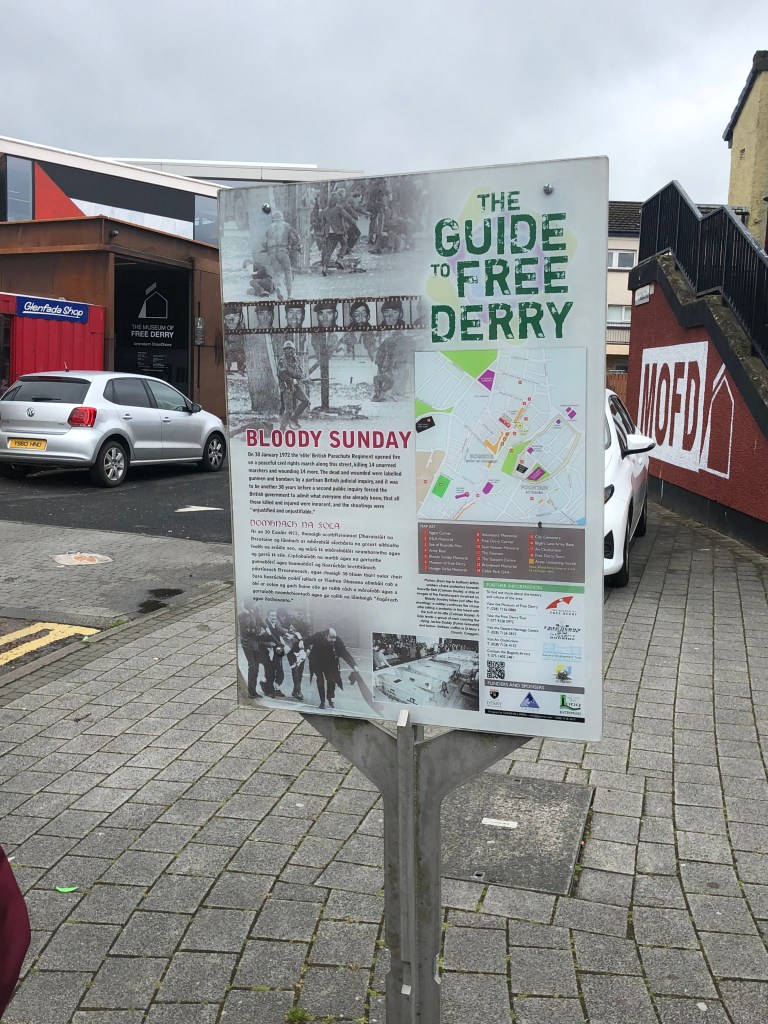
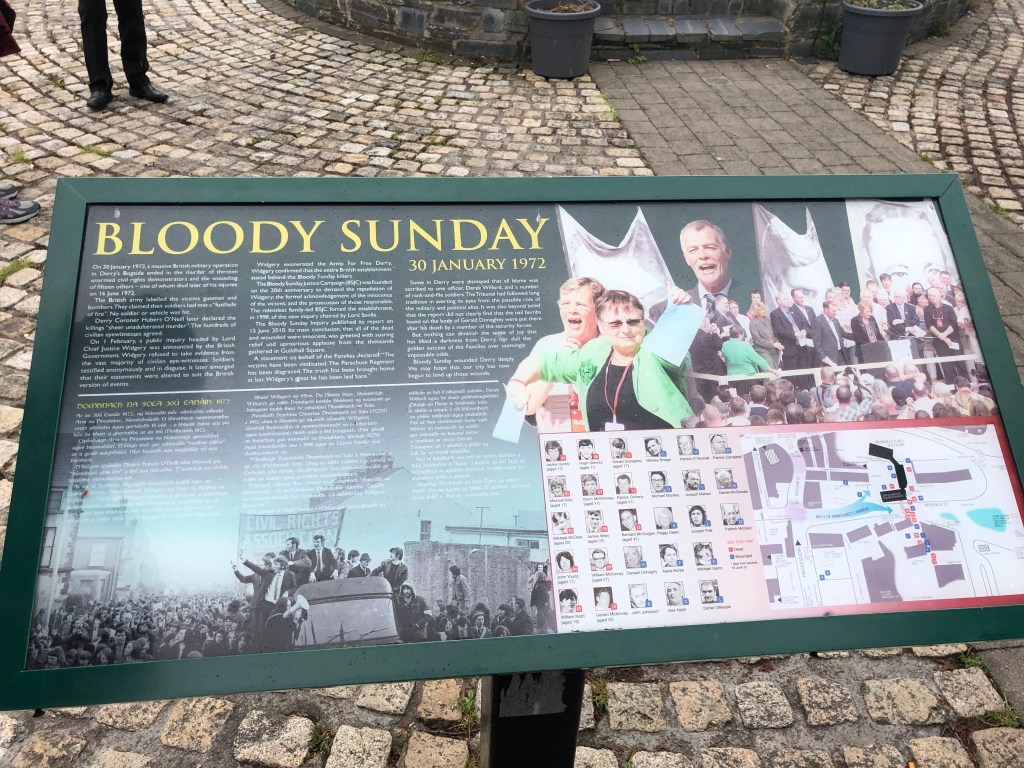
The museum also takes one through the emotionally crippling story of Bloody Sunday, that took place on the street directly outside of the museum. Bloody Sunday took place on January 30th 1972. It began with Catholics, in the Bogside, marching for the end of internment and thus civil rights. However, it escalated when British troops were called in. The troops tried to contain them to their own community and not allow them to march throughout the city. The troops set up blockades to box them in, and this made the protesters very upset. In fact, they were so upset that they threw rocks and such at the troops. When this occurred, the military commander of the troops ordered the troops to fire into the unarmed crowd. This caused the crowd to scatter and run. However, this did not stop the troops. They pursued the protesters, who were fleeing, and continued to kill them. The troops actions resulted in 14 people dying.
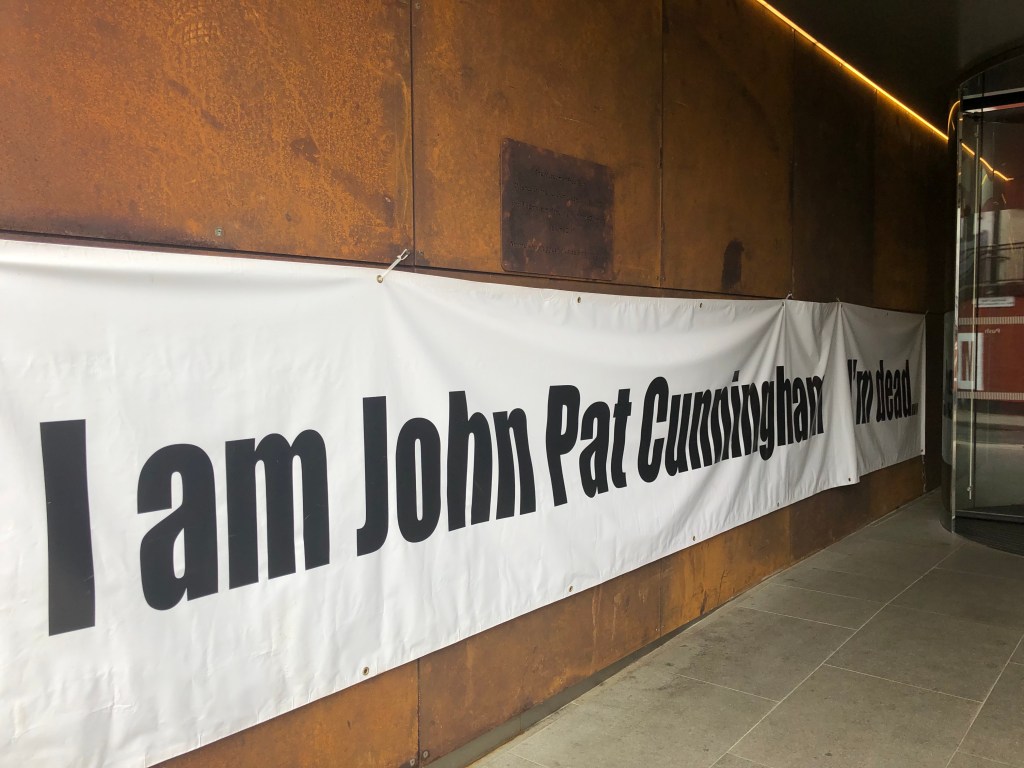
Inside the building, artifacts from the dreadful day of Bloody Sunday are on display. Victims bloody shirts, and pants are all incased in glass, to show the horror of the tragedy that occurred in the community. The Museum goes into terrifying detail about the way in which each of the 14 people were killed, by British troops. It explains how some of the victims were stalked and shot multiple times to make sure that they were dead. It also takes the time to tell the life stories of the people who were killed. The one story that stuck with me was of one of the victims waving a white handkerchief in surrender, as he went back to help someone who had been shot. He was still shot, and his white handkerchief, stained with blood, is on display in the museum to commemorate his death.
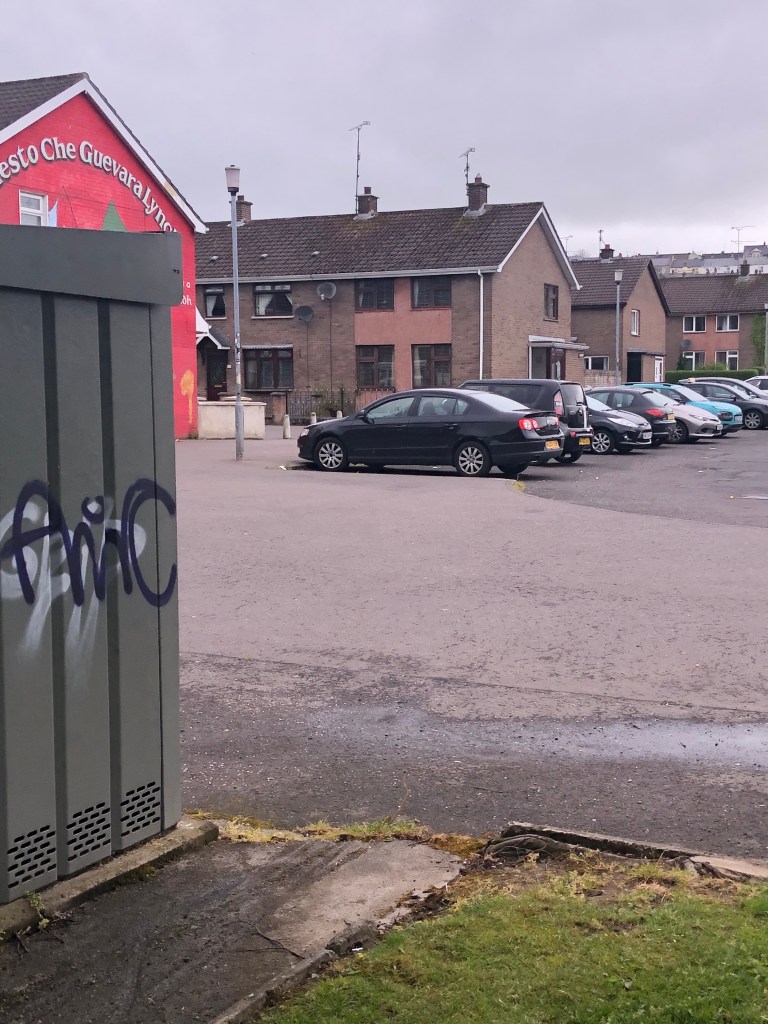
The tour guide, from the museum, even recreated the scene of Bloody Sunday. It was horrifying to stand on the spot where people had been gunned down. The tour guide himself was a victim, in a way. His brother was one of the 14 people who had been killed by British troops. The tour guide pointed to where the protesters congregated and to the spots where they tried to hide from the bullets of the British troops.
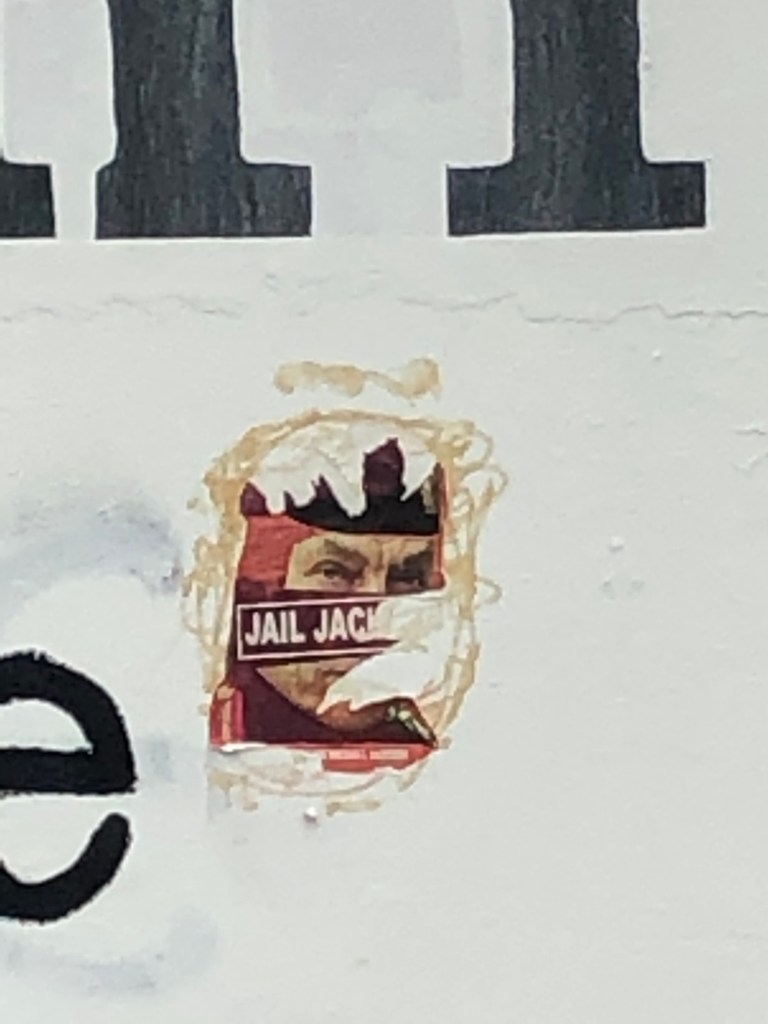
With all the tragedy that occurred during Bloody Sunday, the British government still swept the horror if it under the rug for years. The Widgery Tribunal report, which was an investigation into the troops actions, declared that the people killed had been gunmen and bombers. It denied that the 14 people murdered were victims, and this ignited the rage of the members of the Bogside community. From that day on, they have been against staying a part of the UK. They violently tried to liberate themselves from British rule because they felt as if the British government did not respect or even, so much as, value the lives of catholic nationalists.
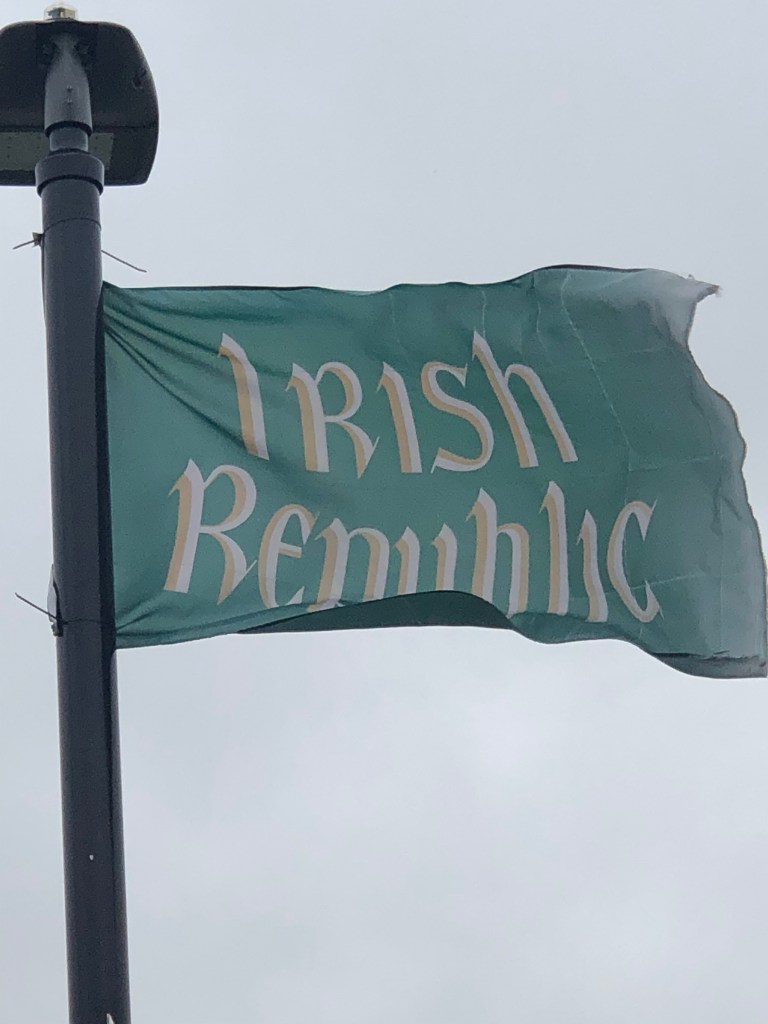
It was not until the Saville report in 2010 that the British government denounced the actions of its soldiers during Bloody Sunday and recognized that the people killed were victims. However, none of the soldiers have faced any consequences for their actions, of the killing 14 people on that fateful day.
The events of Bloody Sunday have stayed with the Bogside community. The memory of that day has continued to cause a cycle of hatred for the British government. Because of Bloody Sunday members of the Bogside were more accepting and supportive of the Irish Republican Army (IRA), and its efforts. They felt that the IRA was the only one who had their backs because the British government essentially murdered their loved one’s and then lied to the world about it.
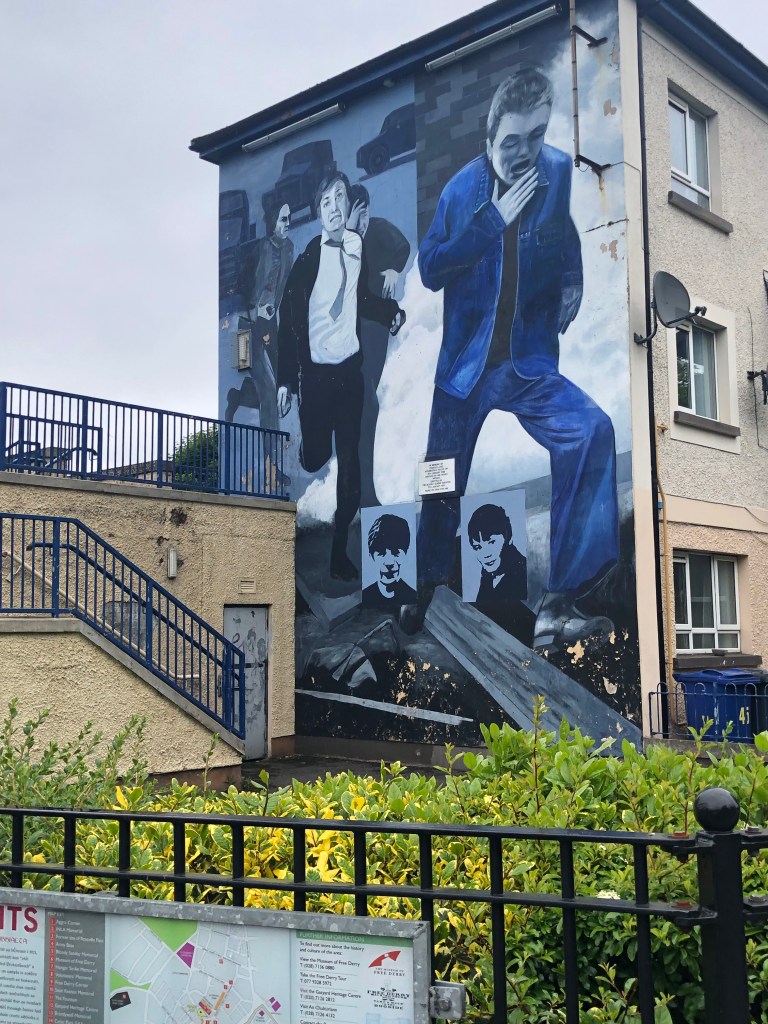
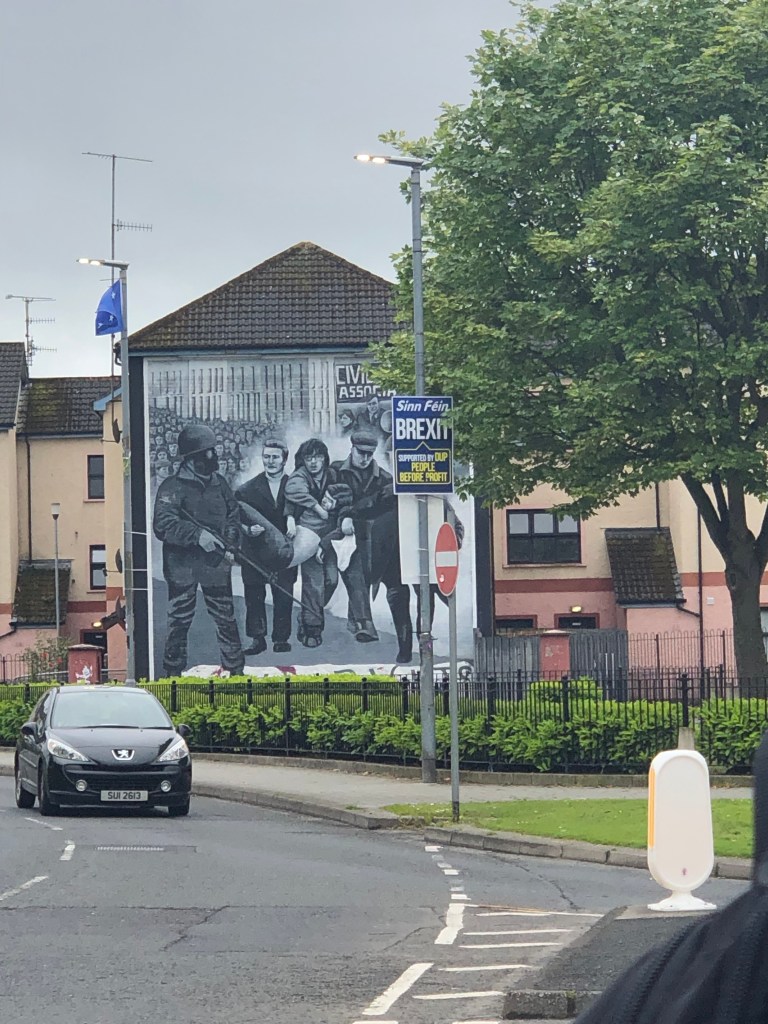
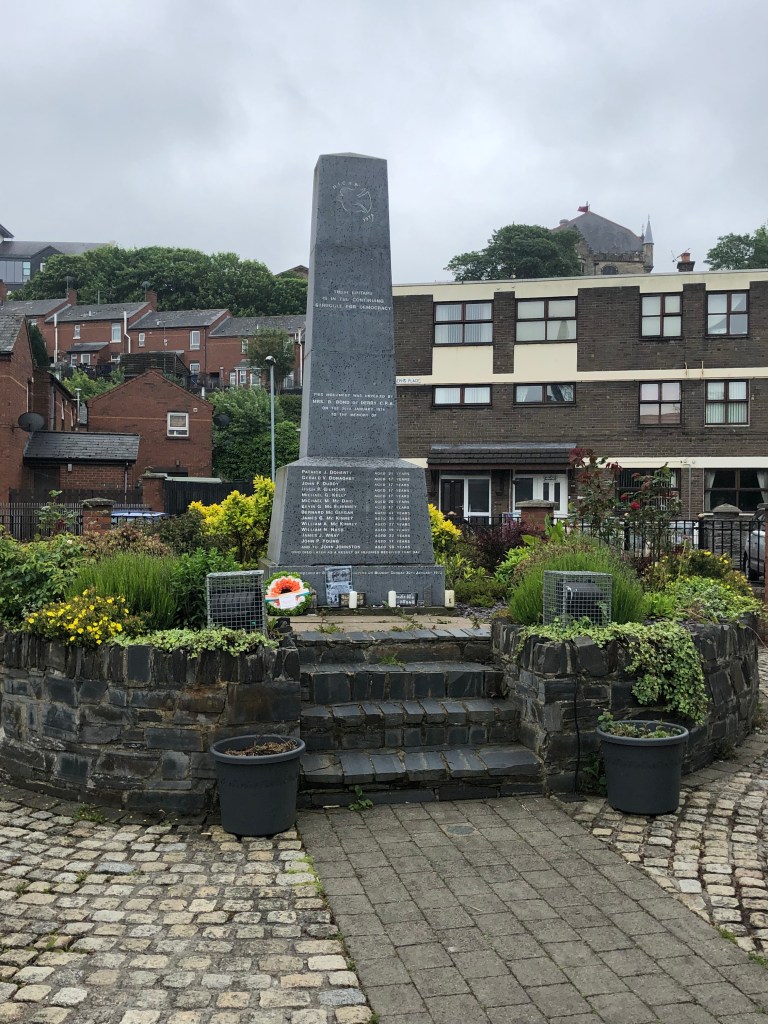
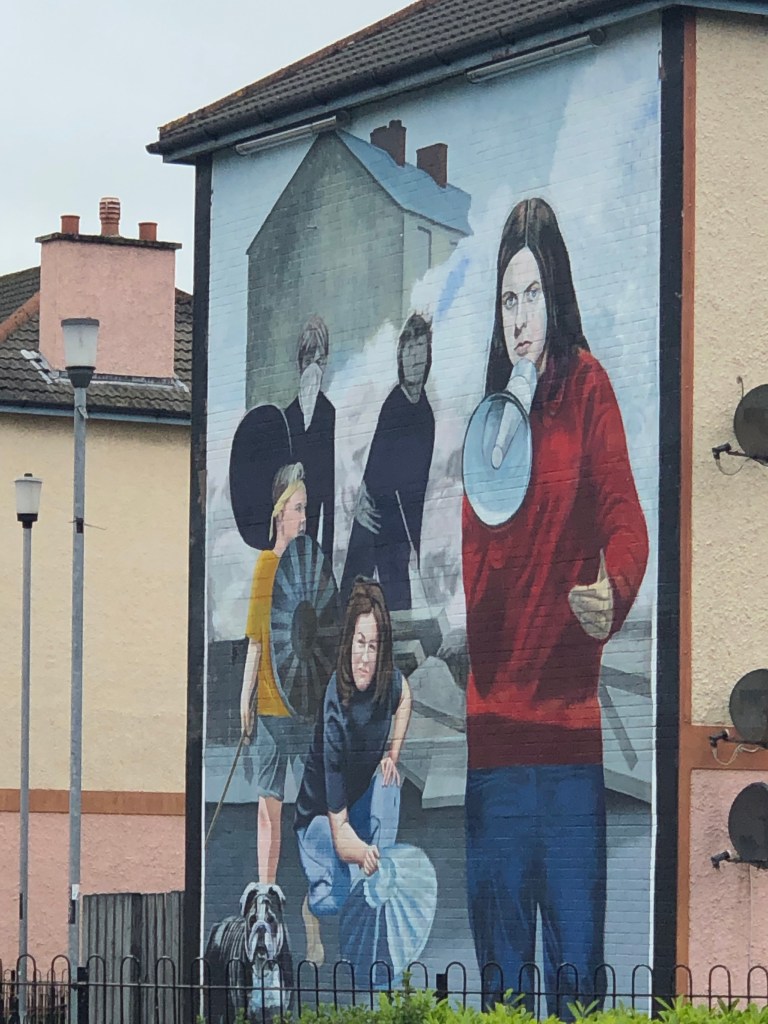
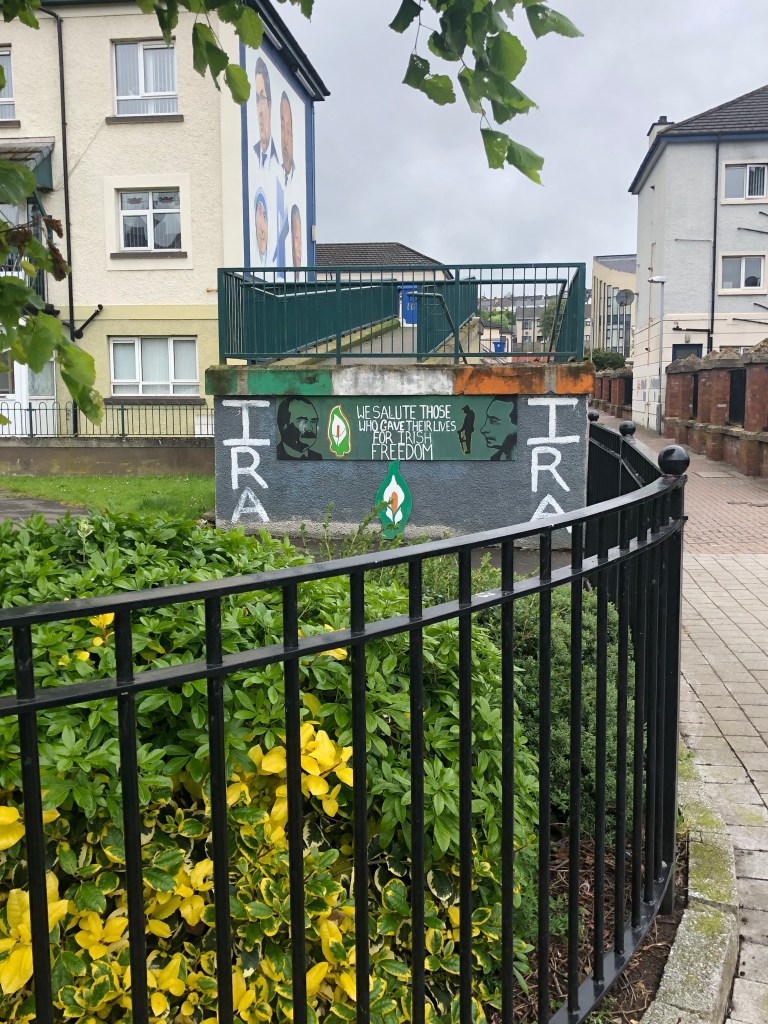
Still to this day, I could hear the anger in the voice of my tour guide toward the British government’s role in covering up Bloody Sunday. Being so powerful, the British government had the power to crush the Irish people in Derry, and they did. The troops meant to protect them and be neutral became the bringers of death, and I don’t think that the people of Derry will soon forget this.
 Hayley's Study Abroad Blog