Dublin Castle

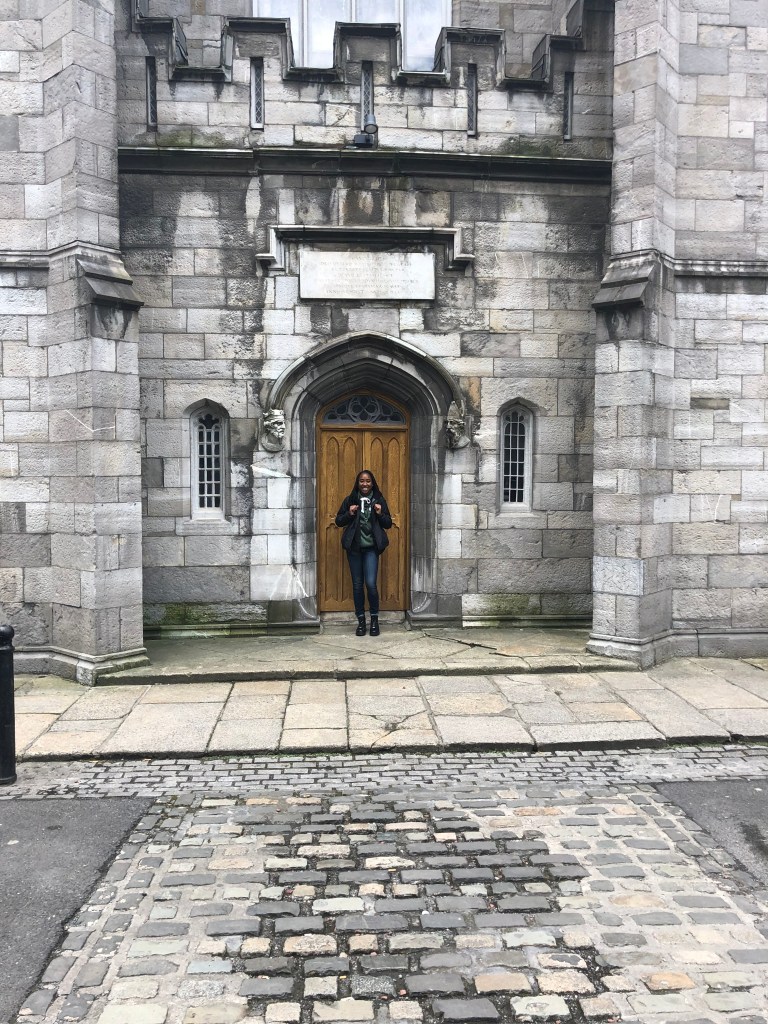
Going on a tour of Dublin Castle was one of the most fascinating things that I did while in Dublin, and I almost didn’t even do it. I have to say that when deciding between whether to experience something for the first time or not while in a foreign country always go with experiencing. This advice is only meant to be applicable to things that would mostly likely be condoned by general society.
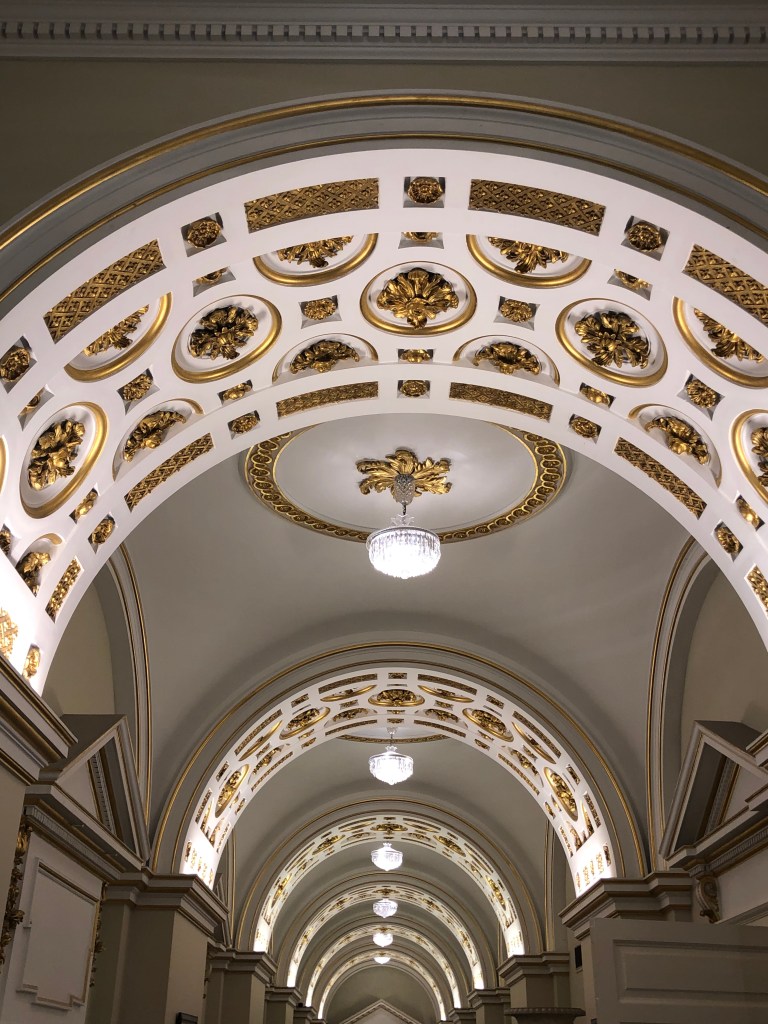
The State Corridor

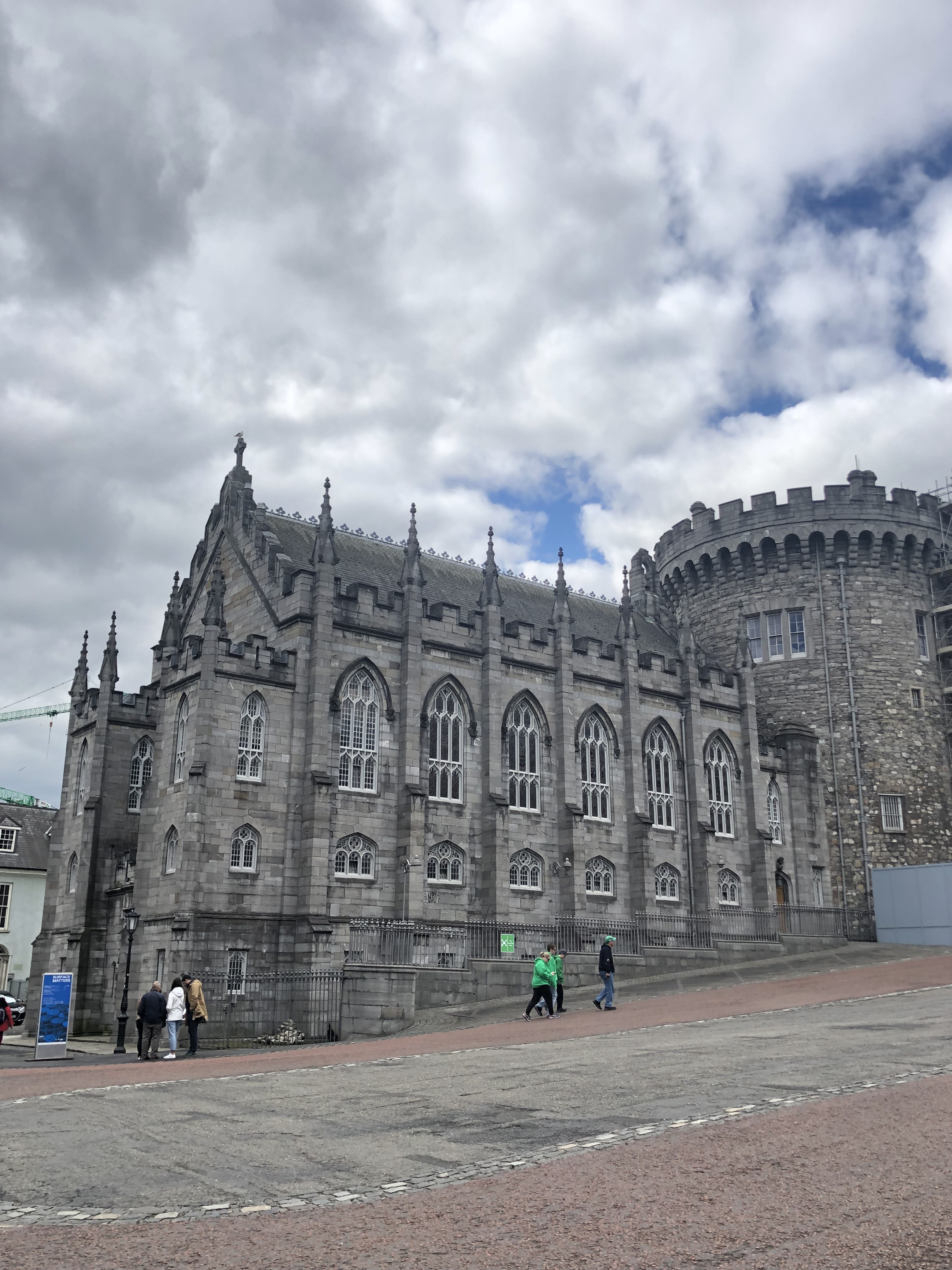
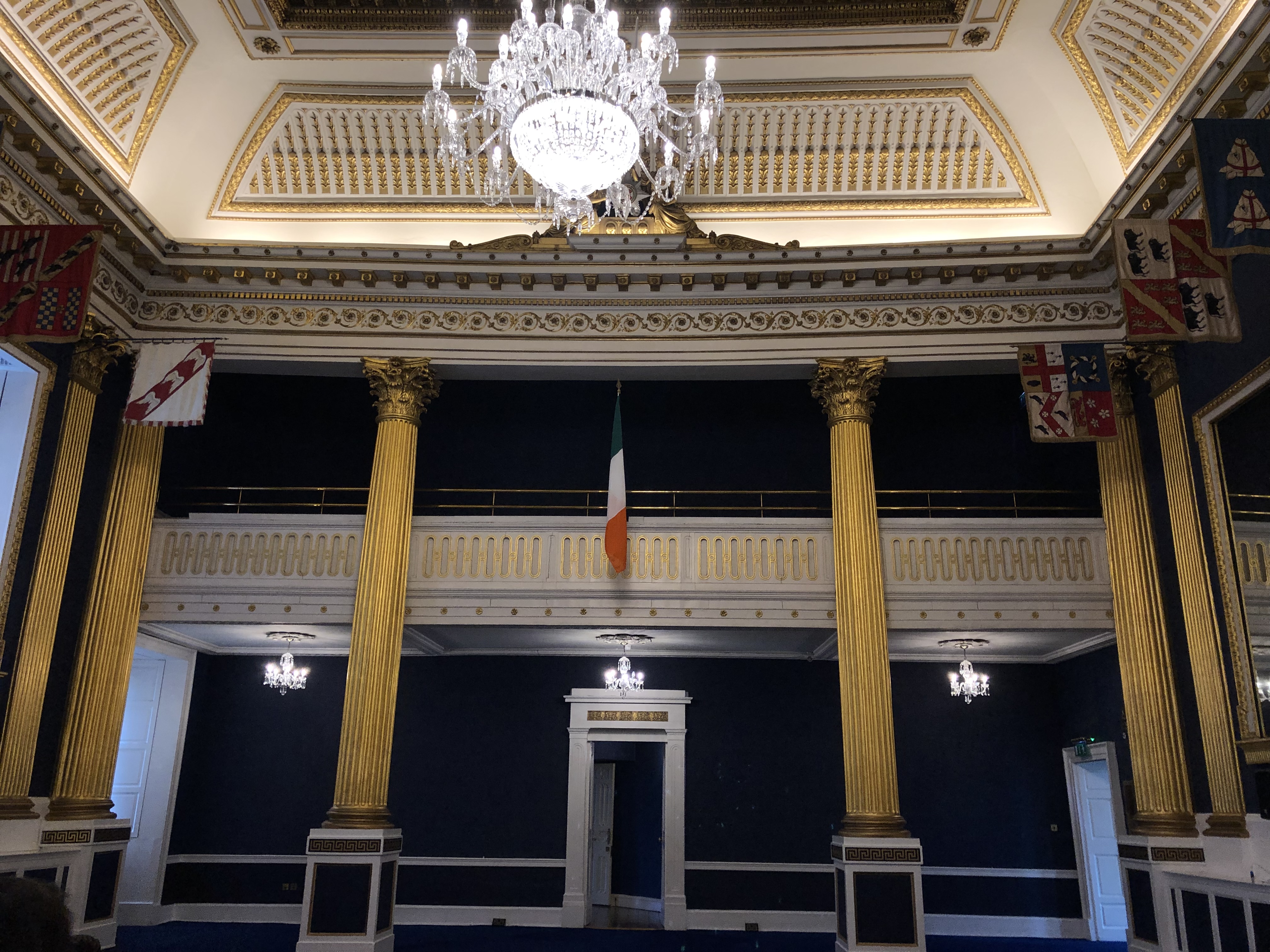
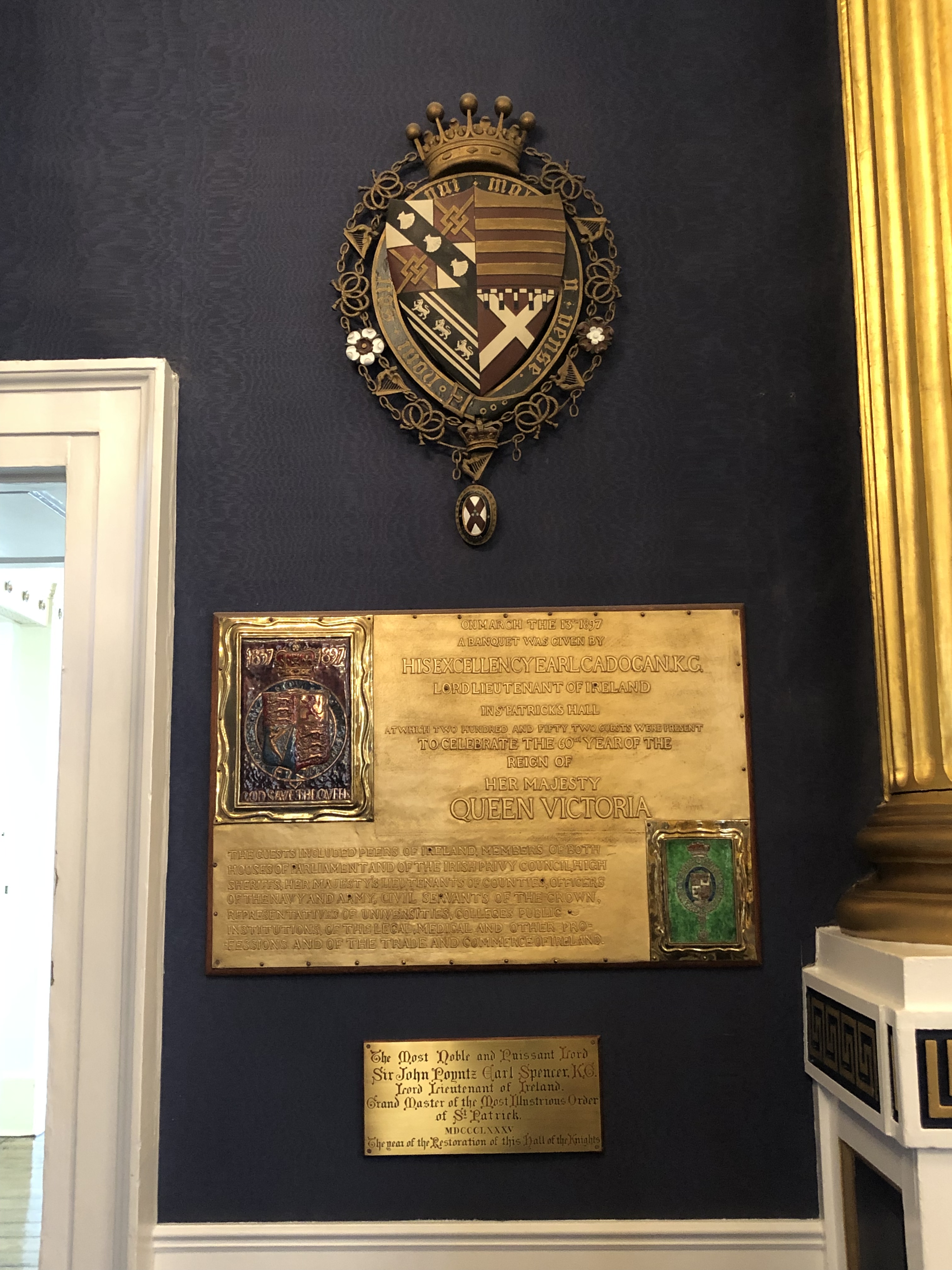
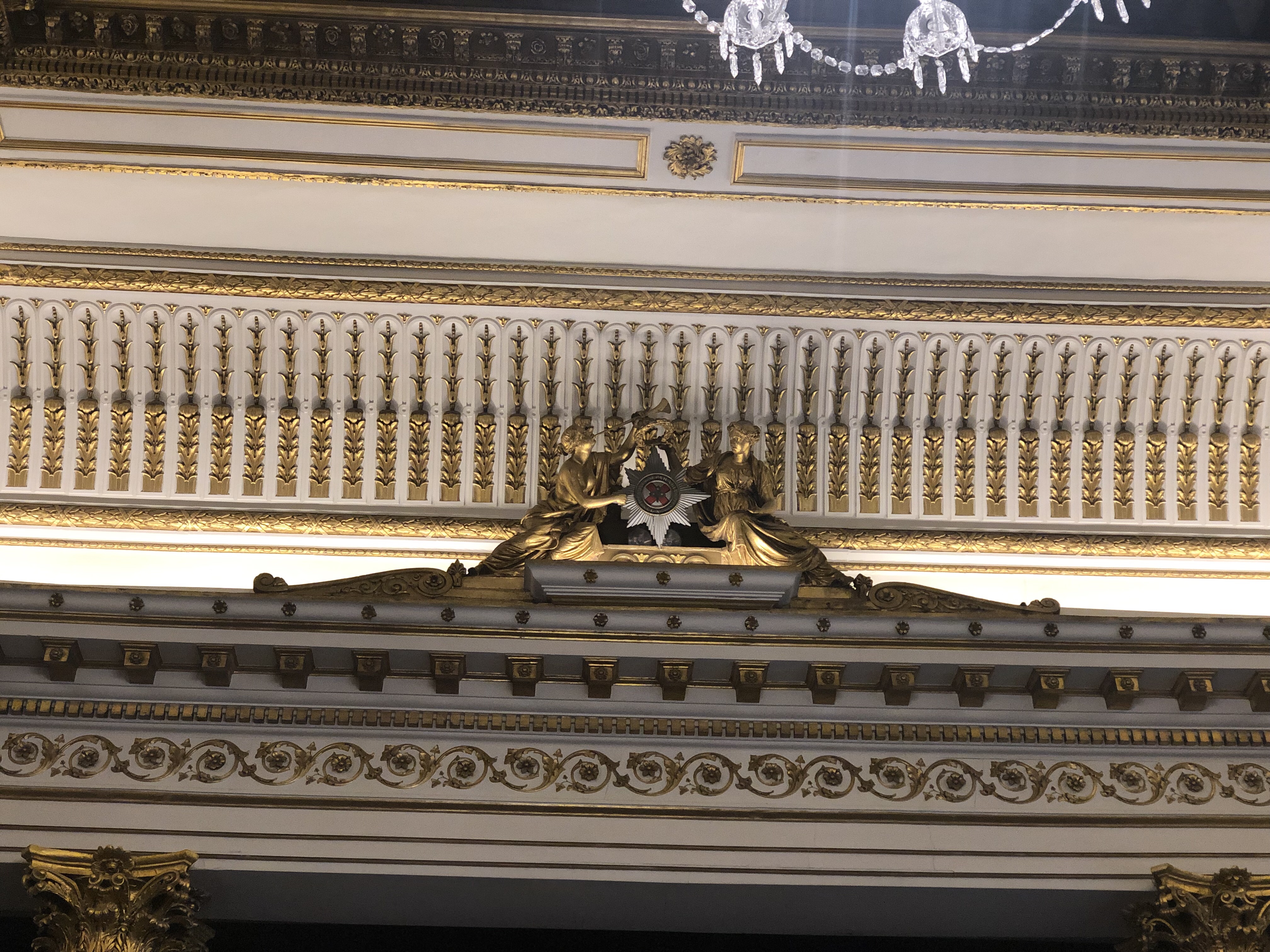
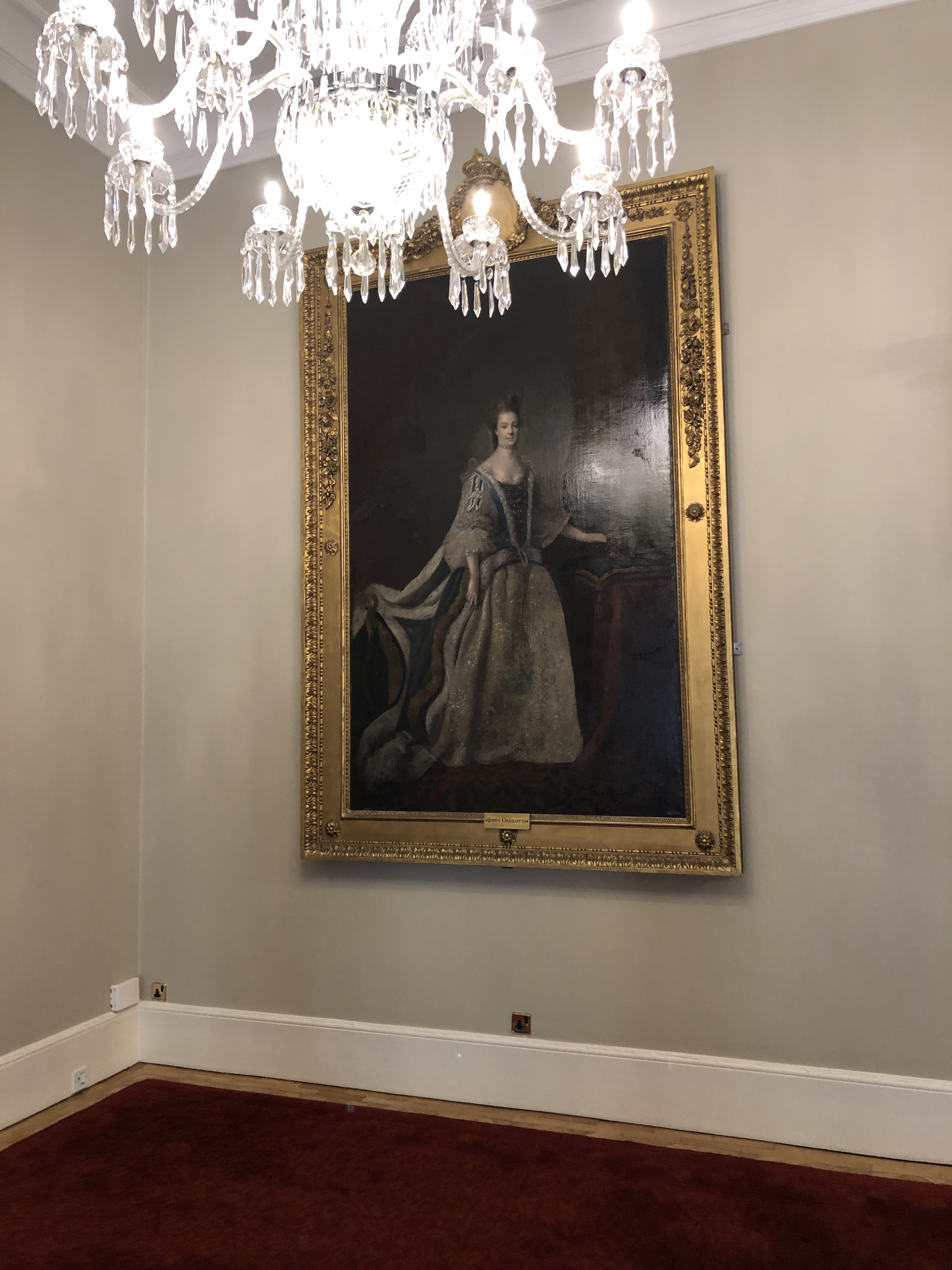
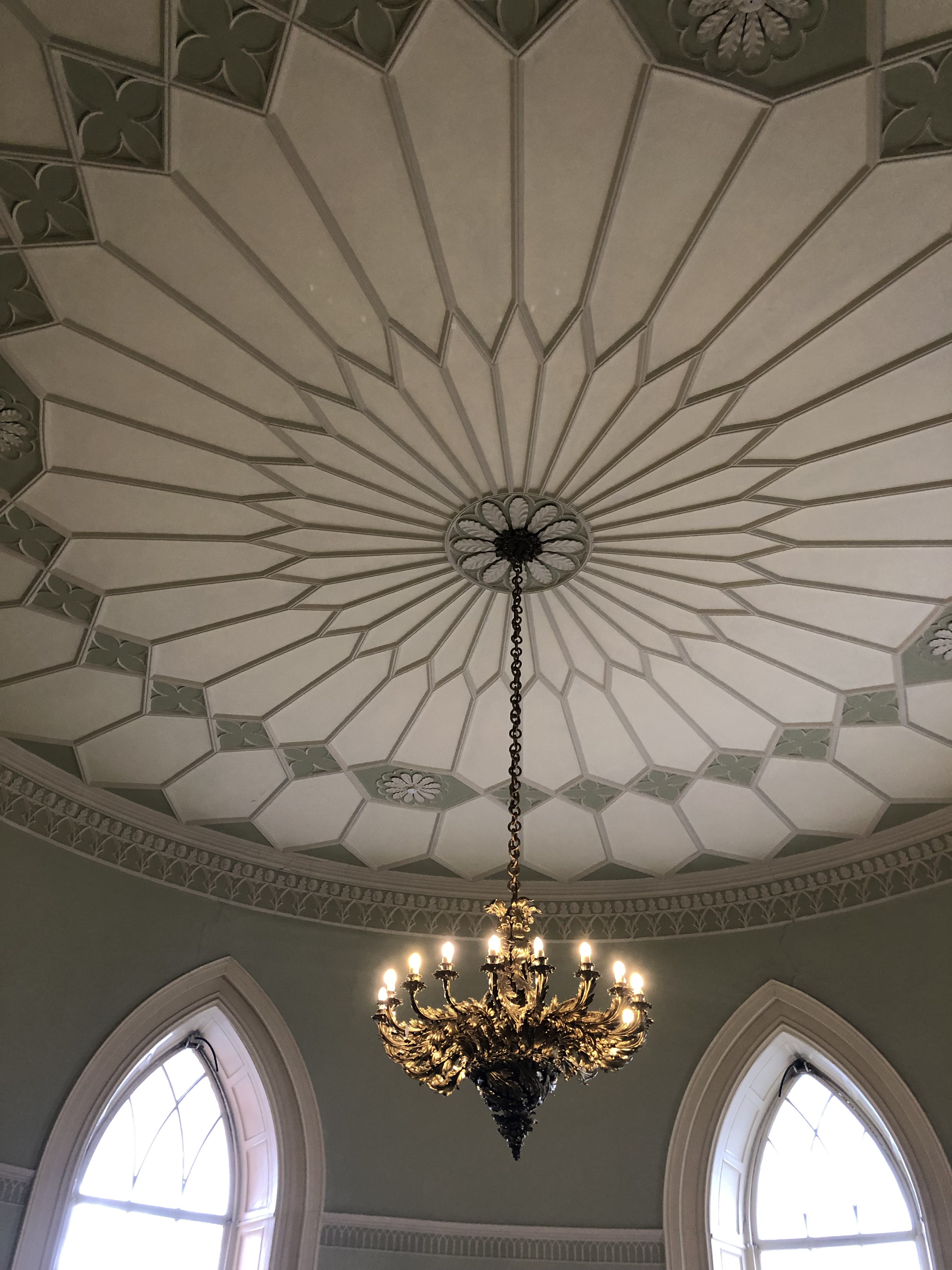
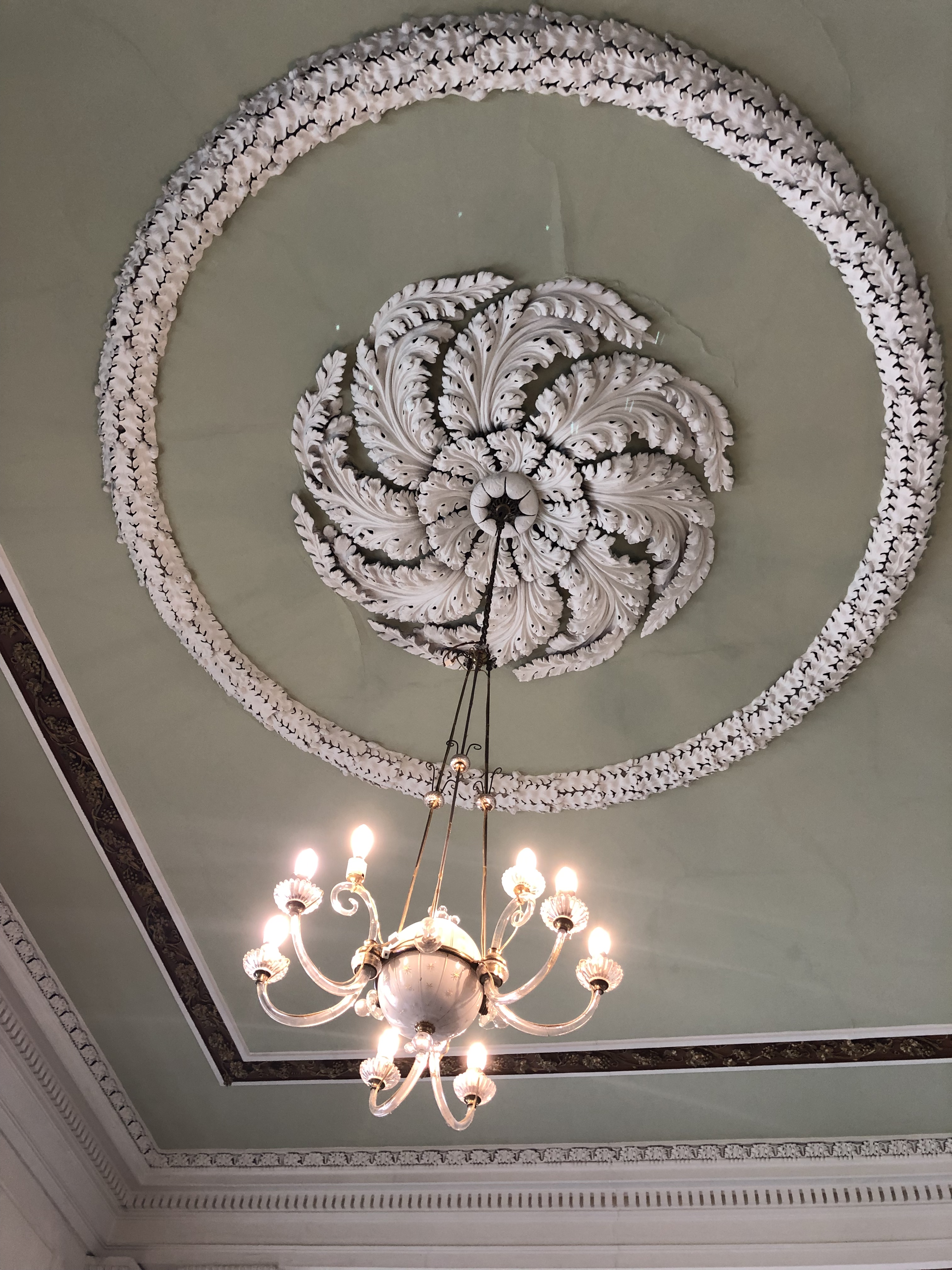
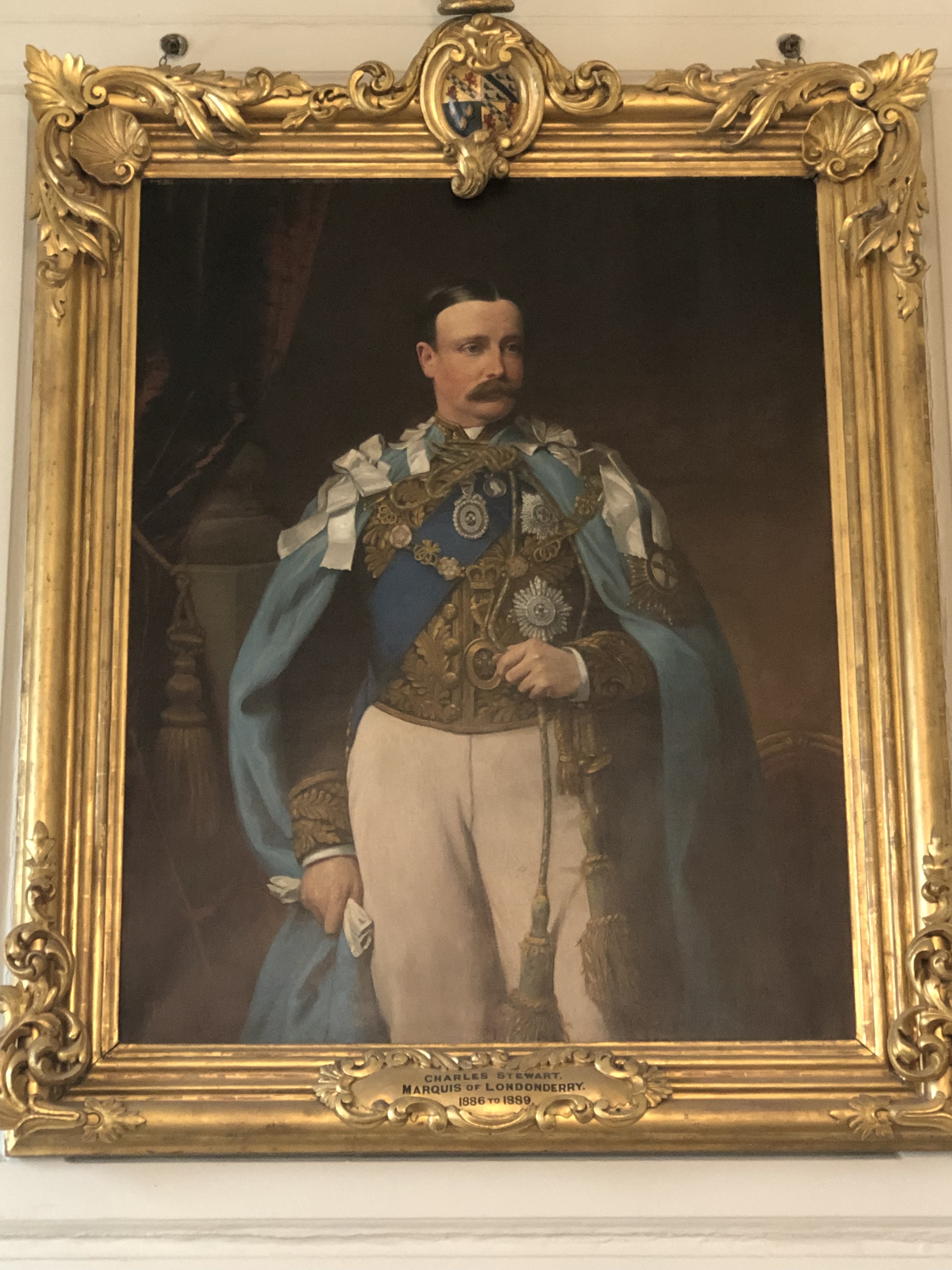
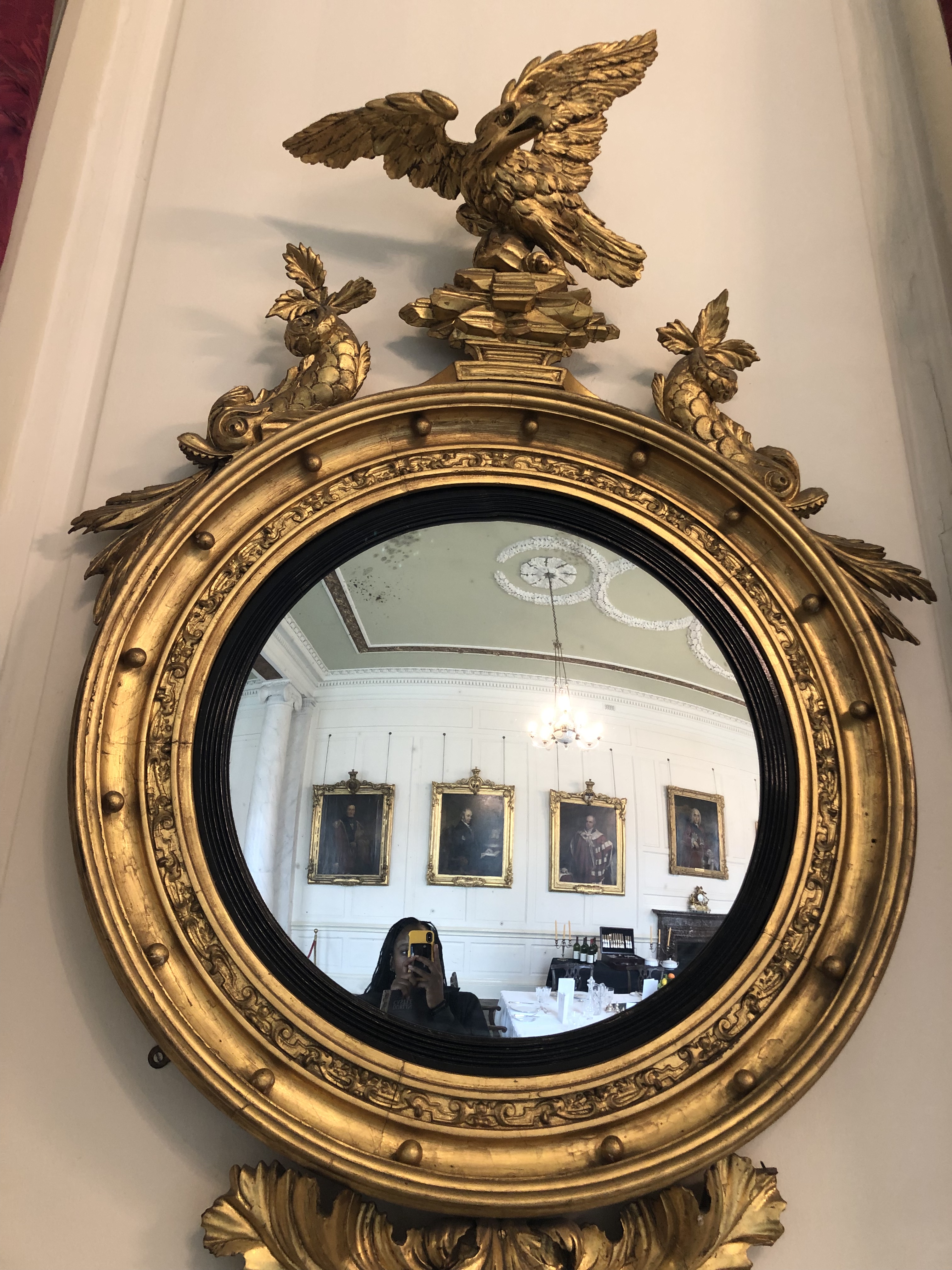
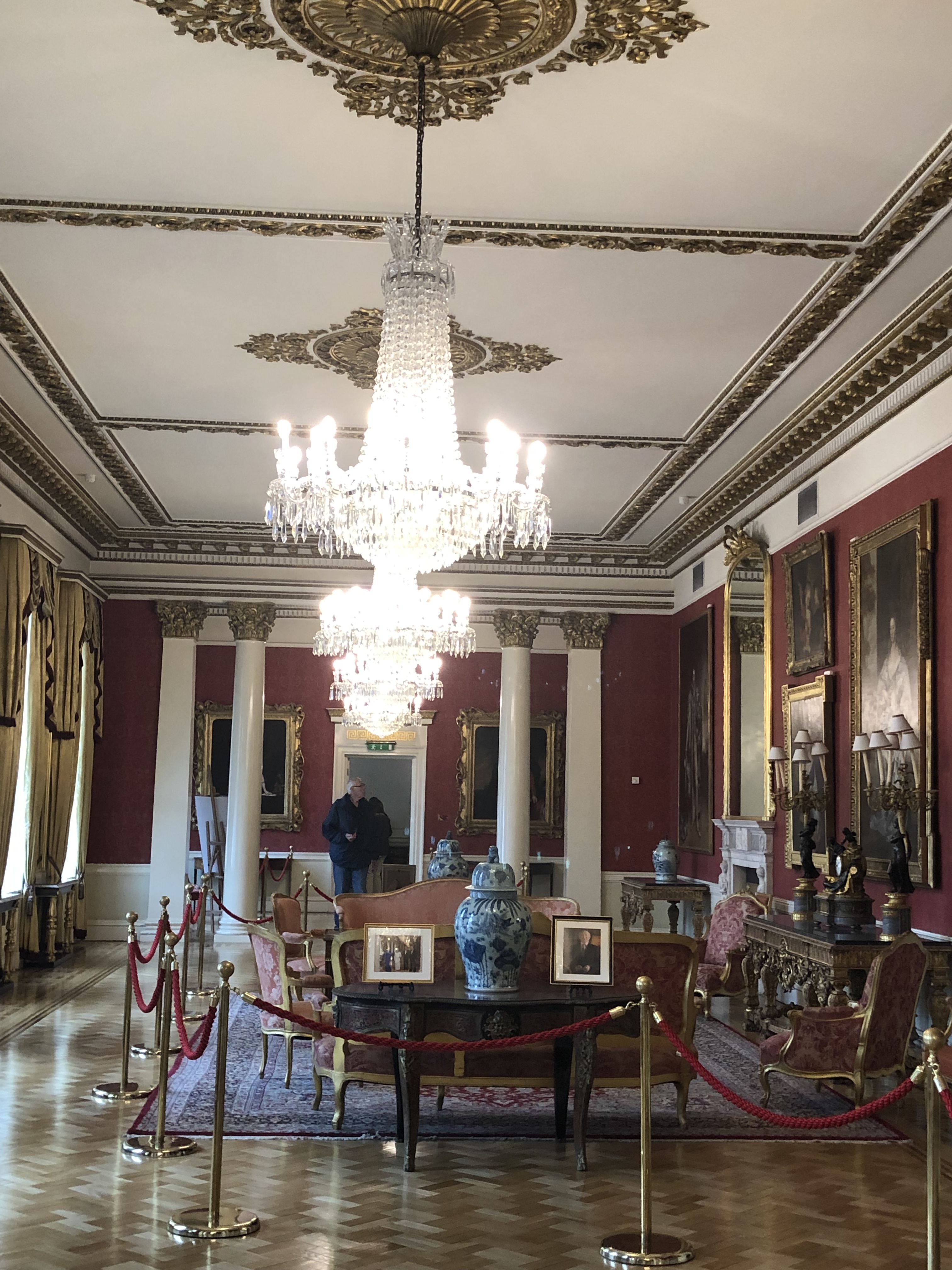
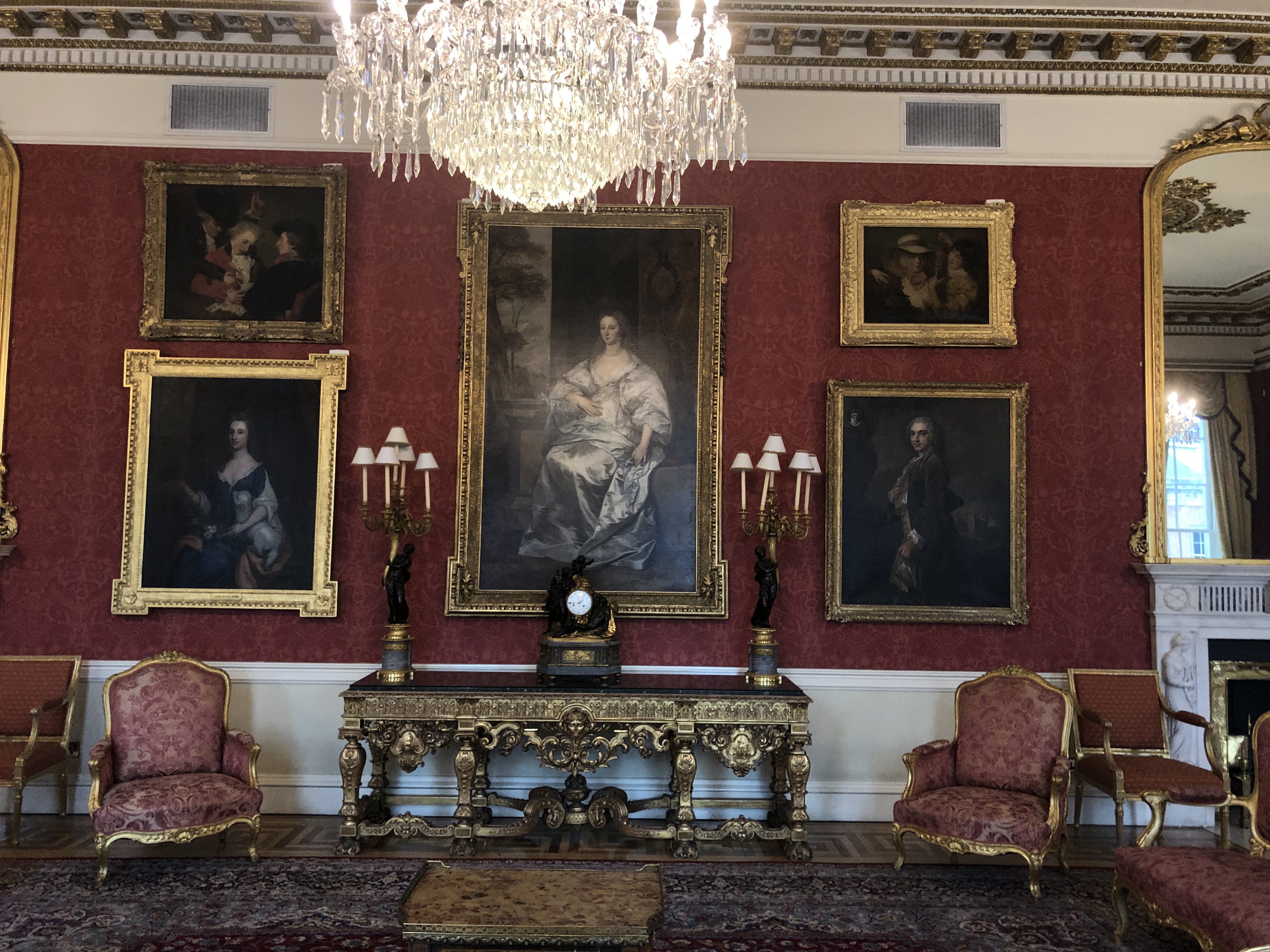
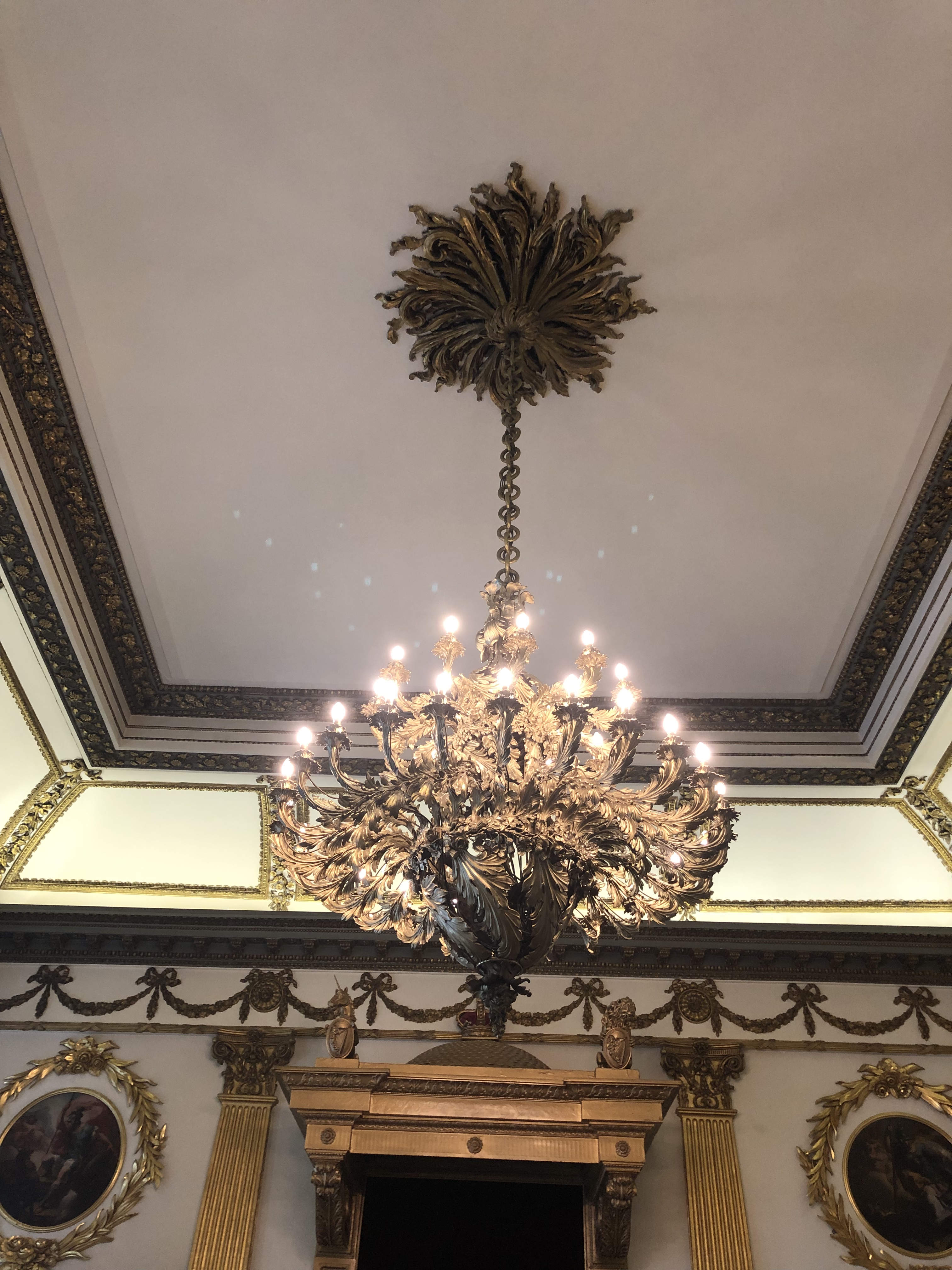
Moving on, the Castle it self was magnificent both on the inside and outside. Let’s begin with the inside. Inside the Castle was ornately decorated just as a castle should be. It had a portrait gallery with pictures of all of the Irish viceroys displayed. The frames were all gold and had intricate carvings around them. However, my favorite part of the castle was its ceilings. I never knew that ceilings could be so beautiful until I stepped into Dublin Castle. If I did not look up, then I would have missed all the glorious splendor of the ceilings in each of the rooms in the Castle.
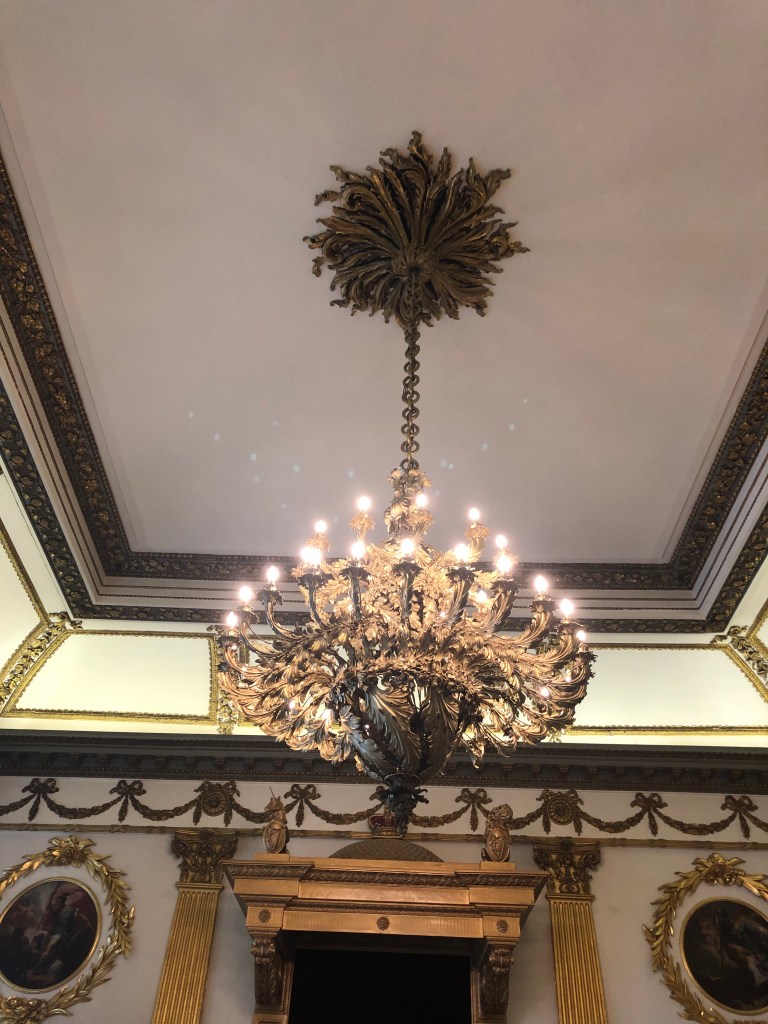
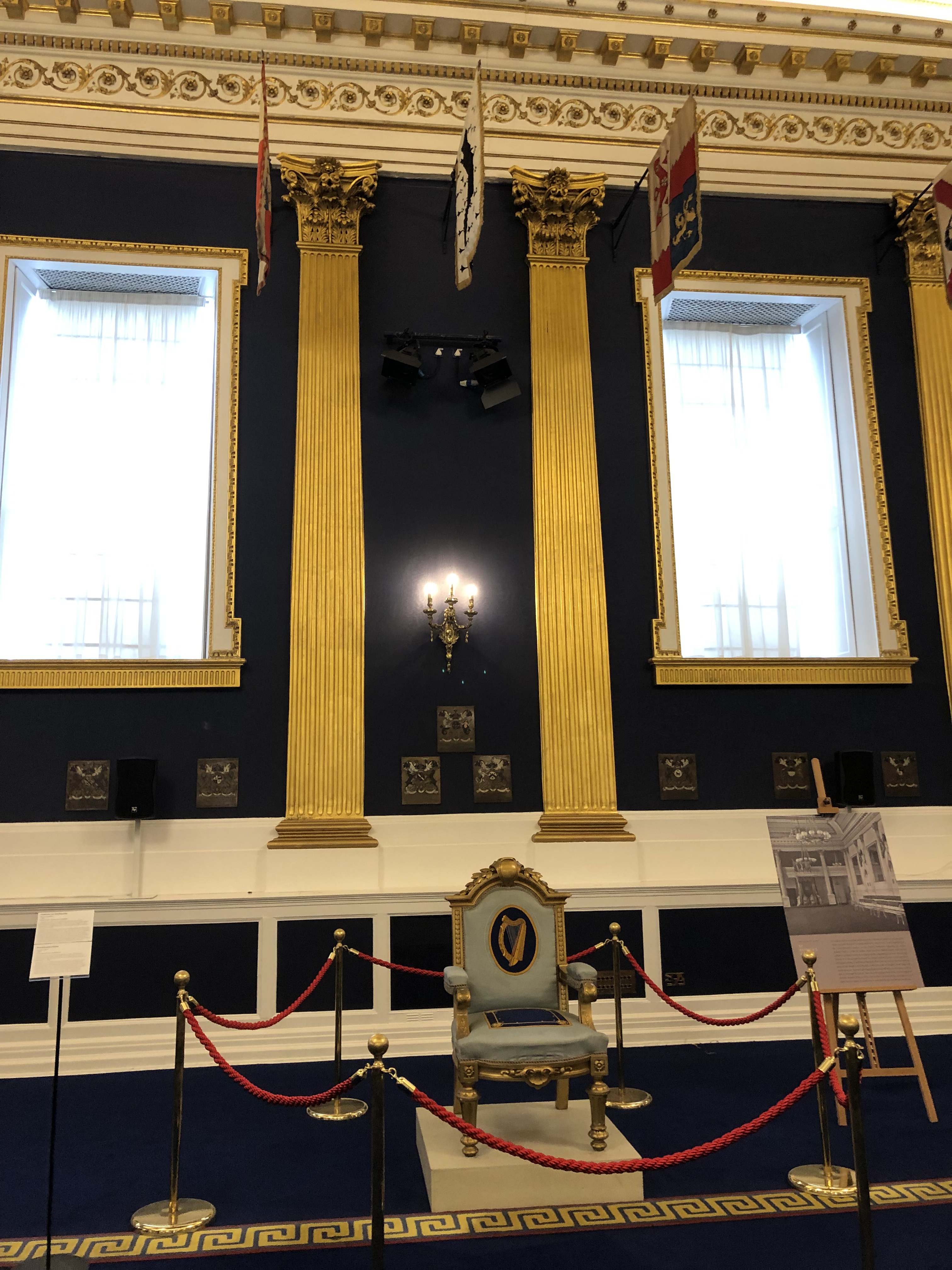
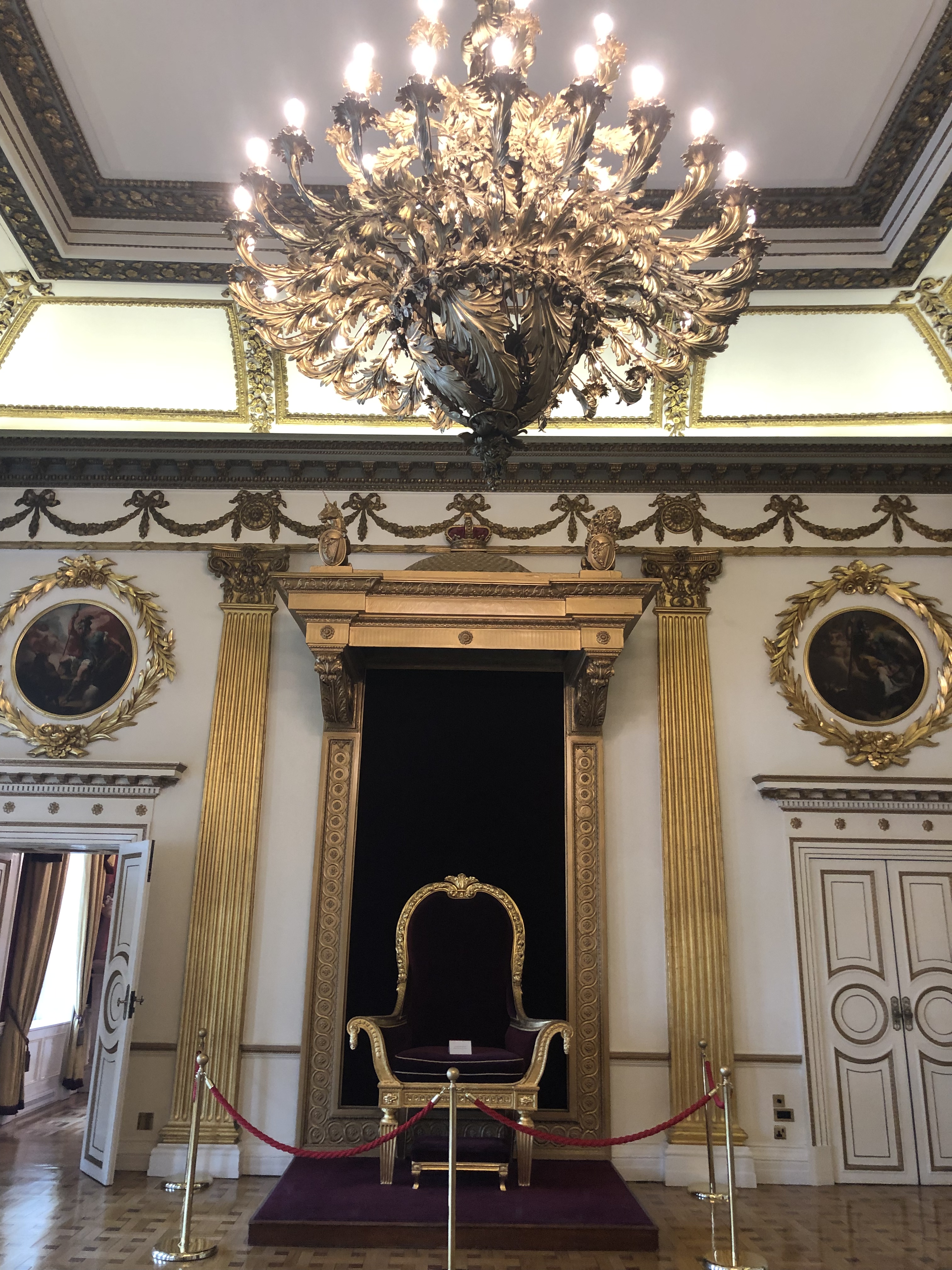
Throne Room

There were eight rooms in the castle that I had the pleasure of touring. They included the James Connolly Room, you may remember him from my previous post on Kilmainham jail, the Apollo Room, the State Drawing Room, the Wedge Room, the Portrait Gallery, the Gothic Room, the Throne Room, and St. Patrick’s Hall.
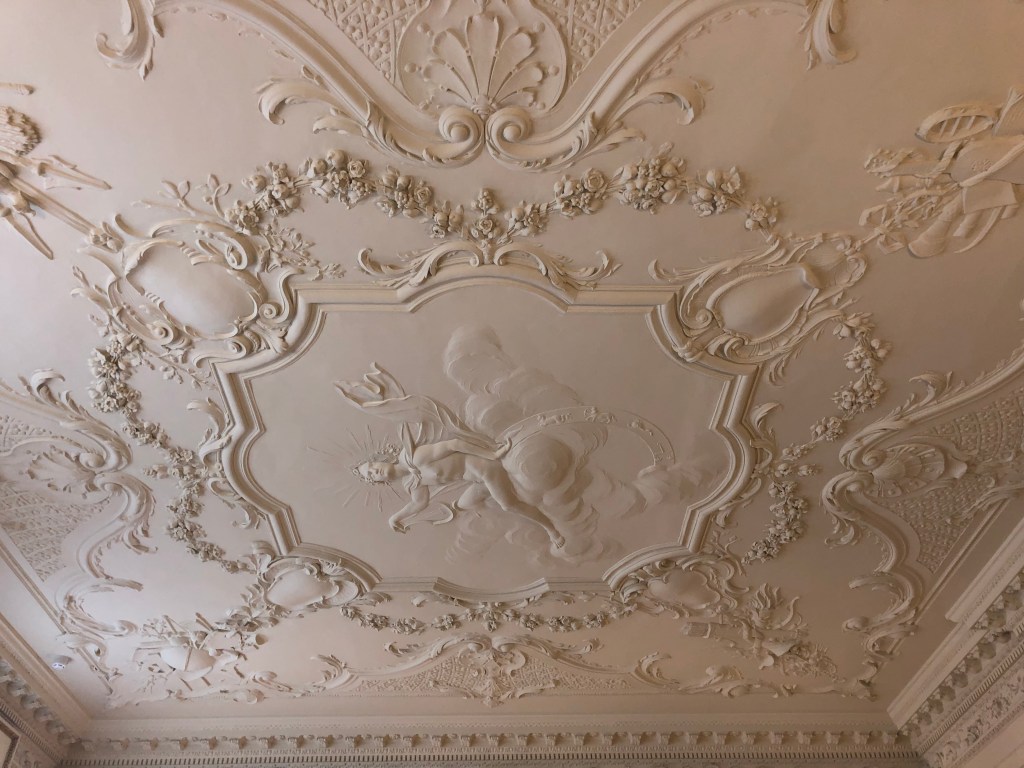
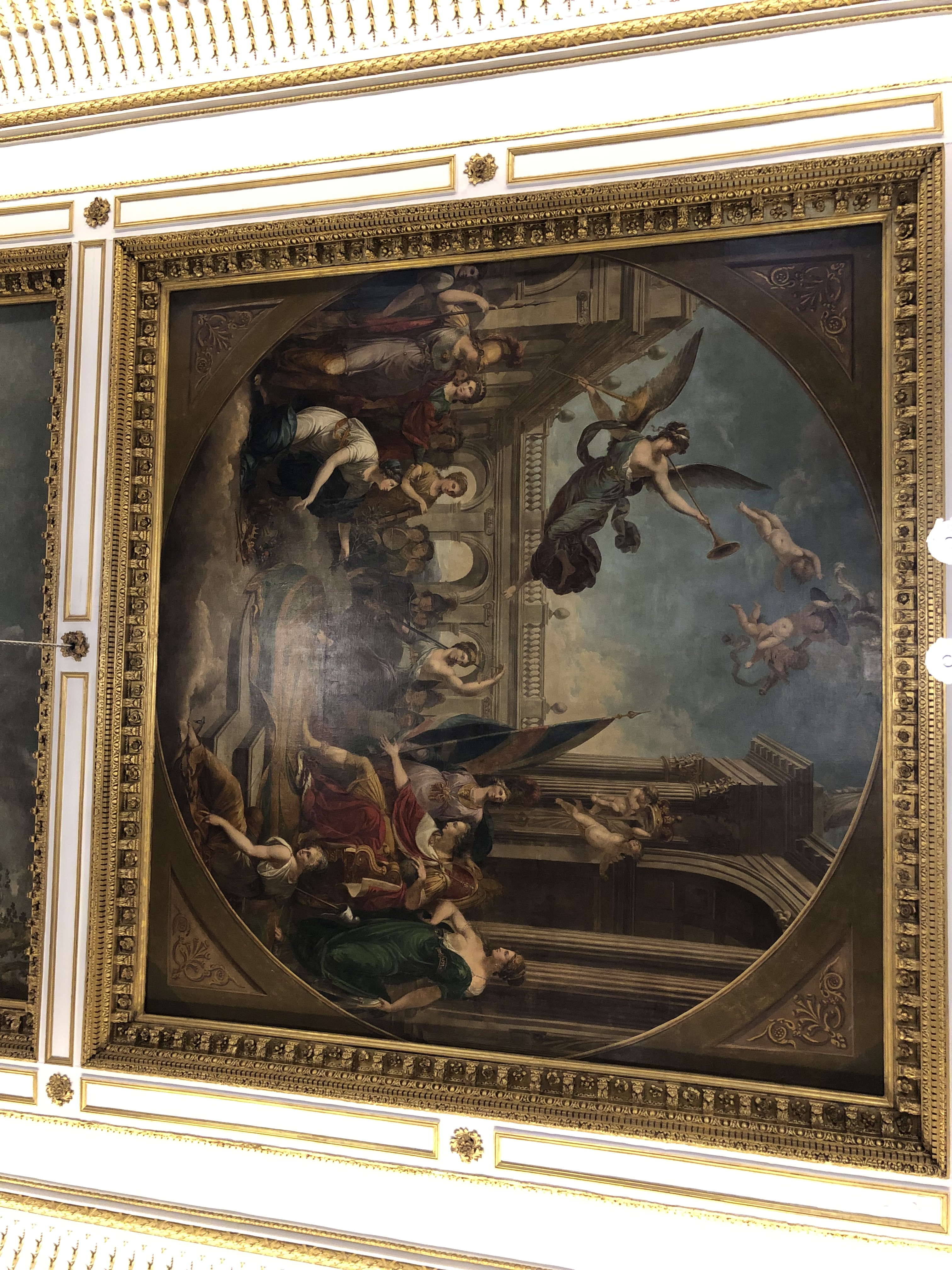
Apollo Room Ceiling

One of the most interesting pieces of history about the castle actually had to do with one of the ceilings. The ceiling pictured above depicts the Greek god Apollo and that is where the room gets its name. It was not the original ceiling; it was a replacement ceiling because the original room in the castle had burned down. The Apollo ceiling was actually brought to the castle from another home and arrived in seven separate pieces. However, one would never be able to guess that it was not always a part of the castle.

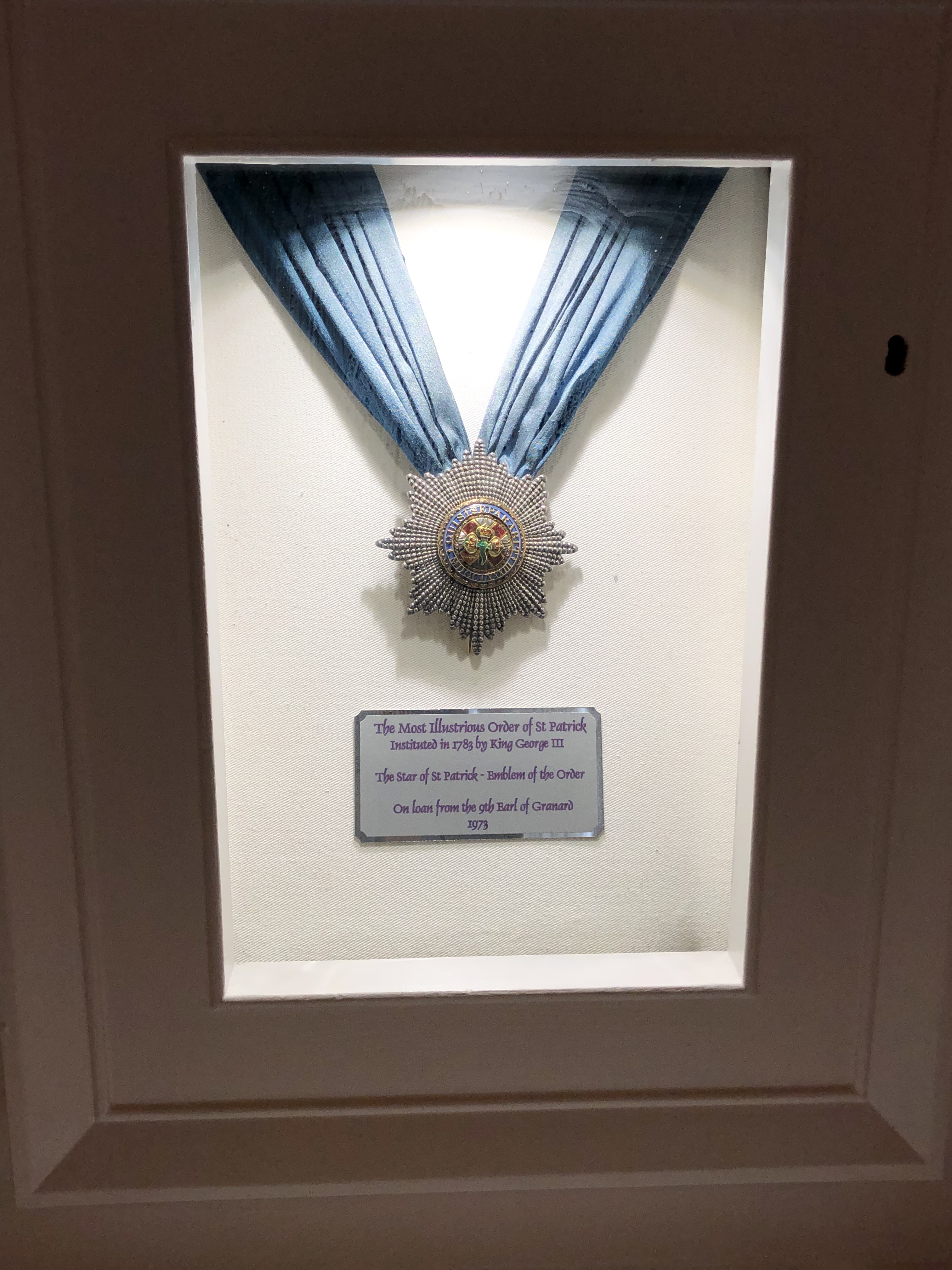
Below is gallery of photos of the inside of Dublin Castle
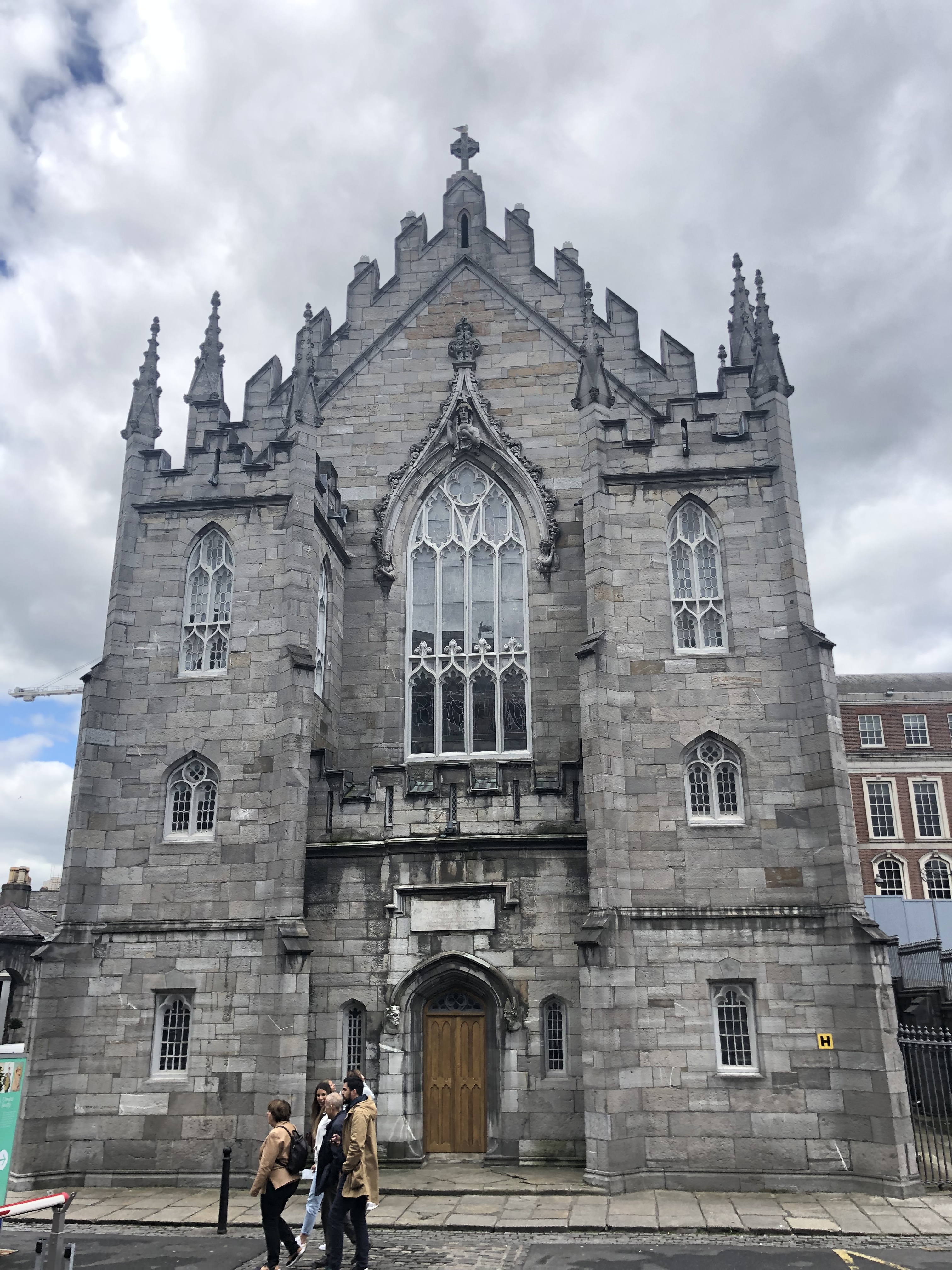
Featured

A Relic to the Past: Kilmainham Gaol

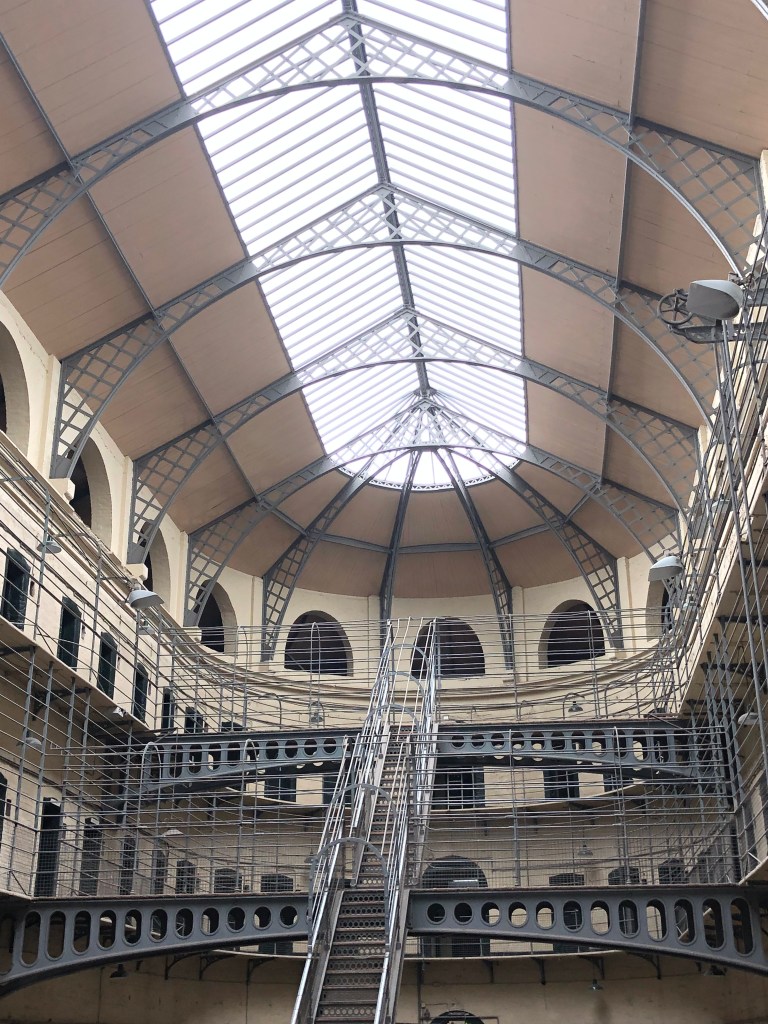
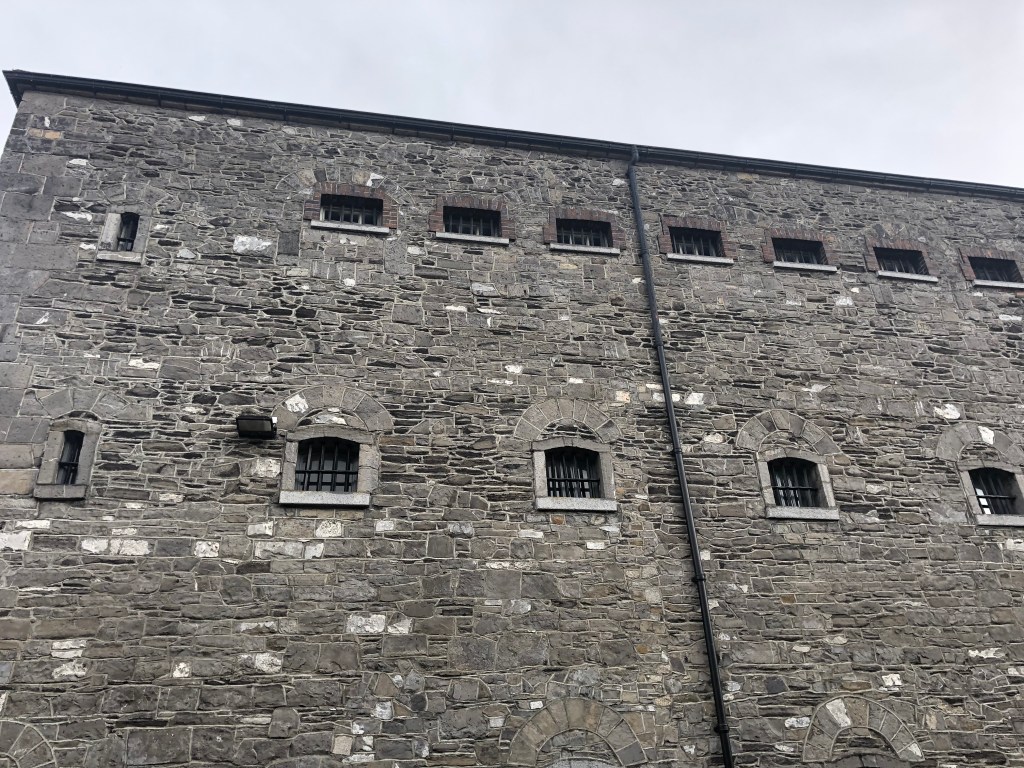
Visiting the Kilmainham jail, in Dublin, was a very sobering experience. In the past, the jail housed women, children, and men altogether. Children, as young as four years of age, were sentenced to prison in Kilmainham jail. The jail was originally constructed to only house 1 person to a cell, but things rarely, if ever, go as planned. When the potato famine occurred, people were clamoring to be convicted of crimes in order to go to prison. I know that wanting to go to jail sounds unbelievable, but I am not joking when I say that people really wanted to get in. At the time, being in jail was better than living outside of the jail because at least in jail one had a place to sleep and meals. On the outside, none of that was guaranteed. Life was officially better in jail during the potato famine than life outside of prison was.

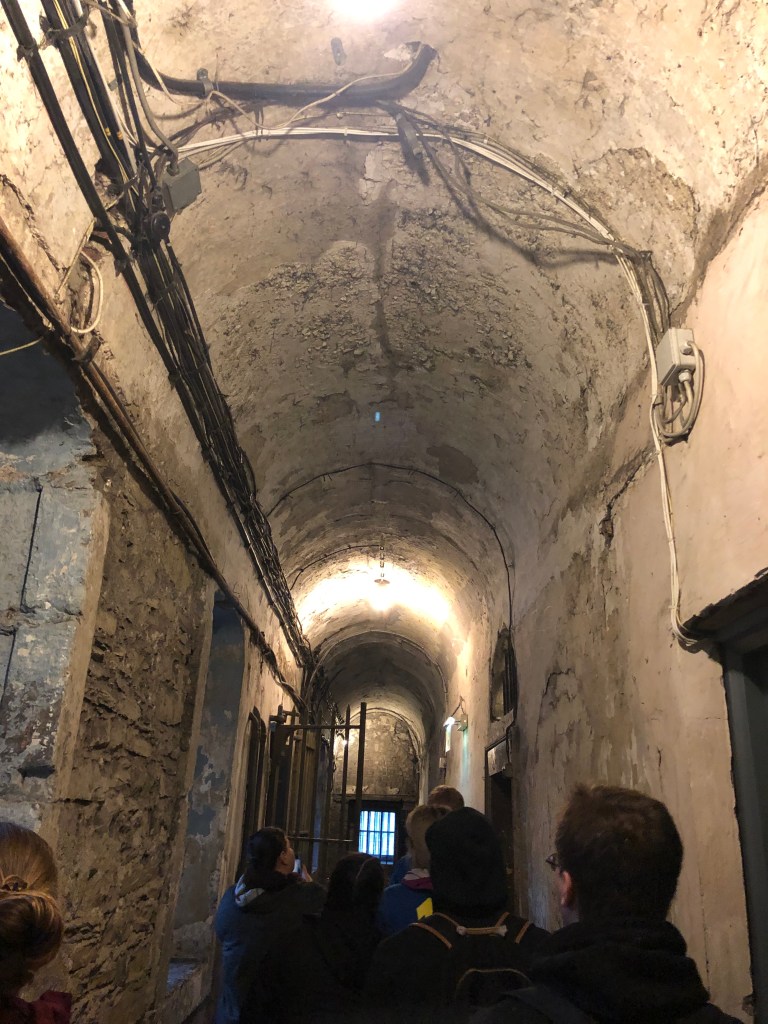
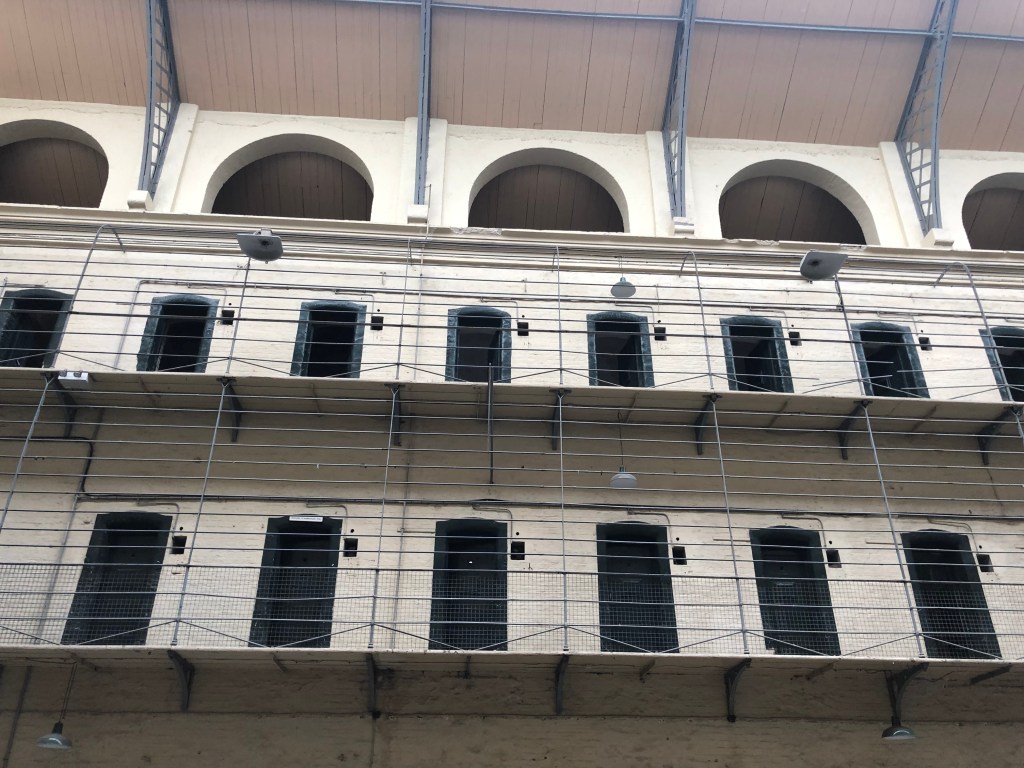
Hall of Kilmainham Jail

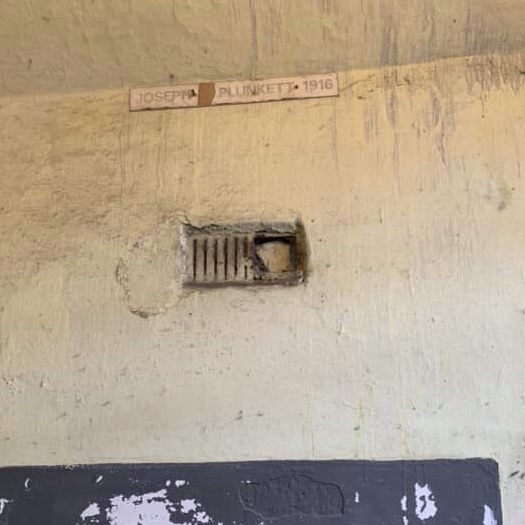
The prison is notable and was actually restored because it held very important political prisoners during the years it was open. It was the holding place for some of the rebels of the 1916 Easter Rising rebellion that took place in Dublin. The main leaders of the rebellion were Thomas Clarke, Joseph Plunkett, Sean McDermott, Patrick Pearse, Eamonn Ceantt, James Connolly, and Thomas MacDonagh. The Easter Rising was a rebellion planned by Irish rebels against the English government in order to achieve Irish independence. It resulted in hundreds of people dying, thousands being wounded, and most of Dublin being destroyed. However, as you must have guessed because they were held in jail the rebellion failed.

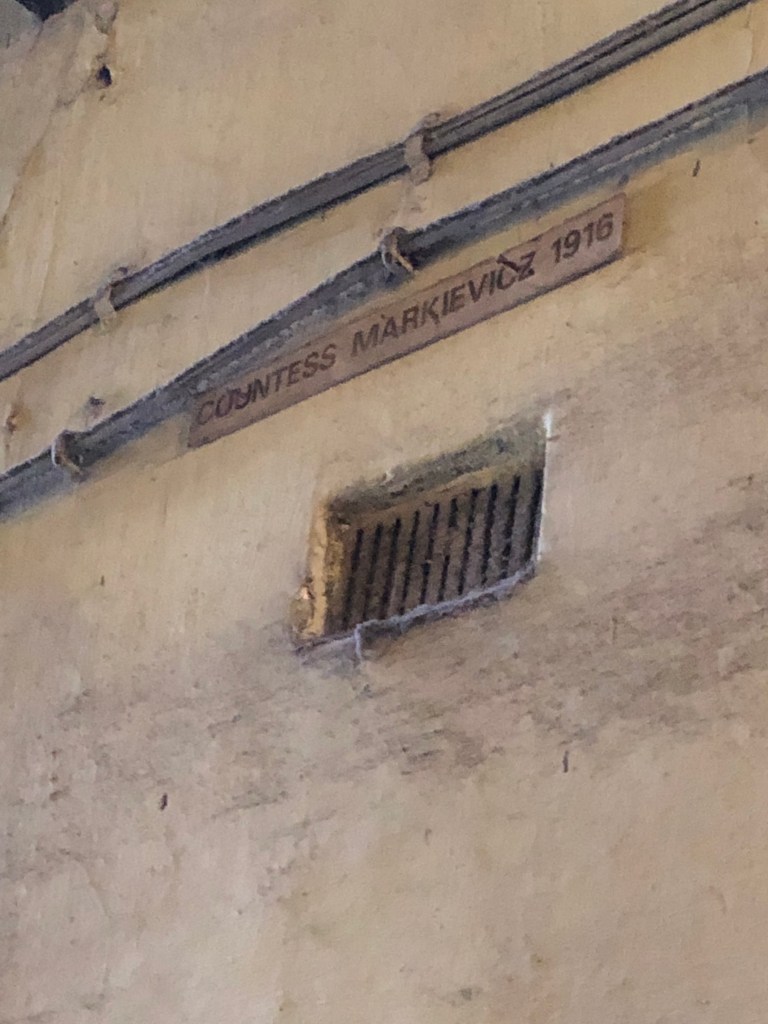
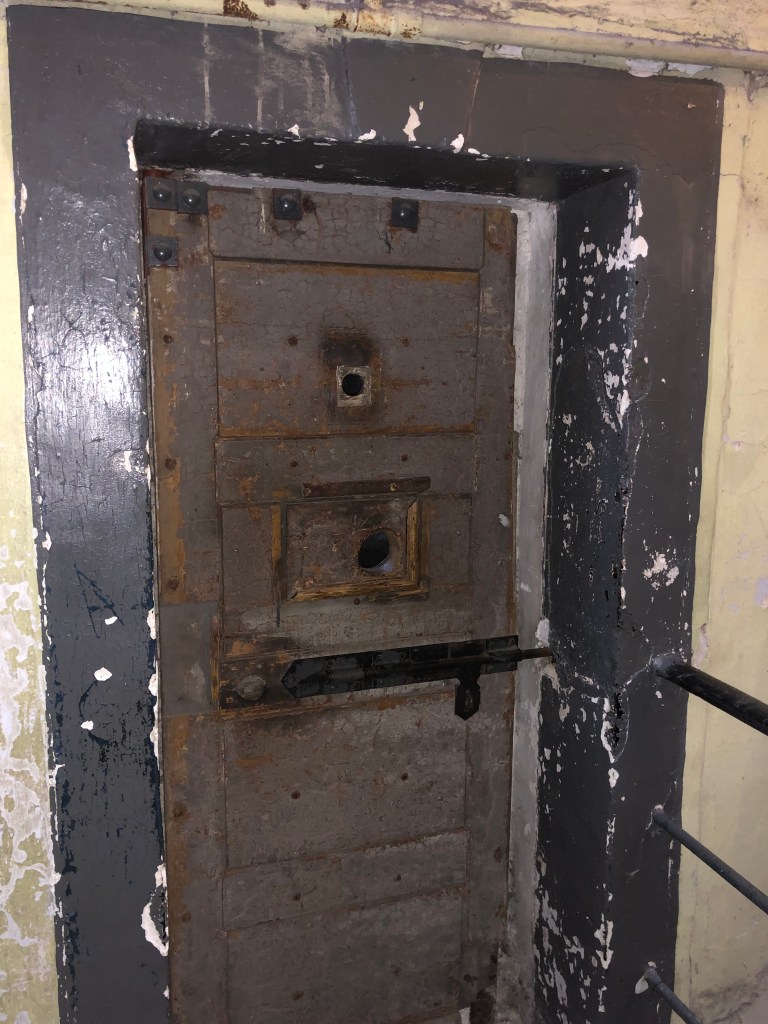
The men and main woman who planned the rebellion were all held in separate cells in the jail, where they awaited their execution by firing squad. Their names were hung outside of their cells, and they were kept in a separate area from the regular criminals. The rebellion had failed, but the deaths of the 15 rebels ignited a fire like never before for Irish independence. Many of the wives of the leaders of the rebellion would follow in their husbands footsteps and land themselves in Kilmainham jail later on.

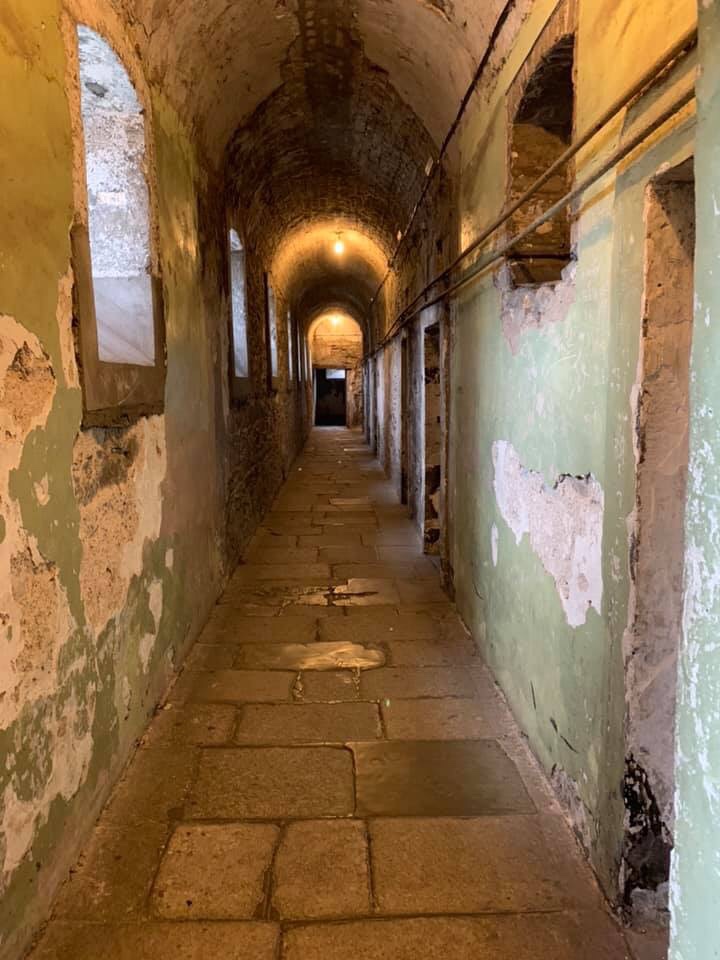
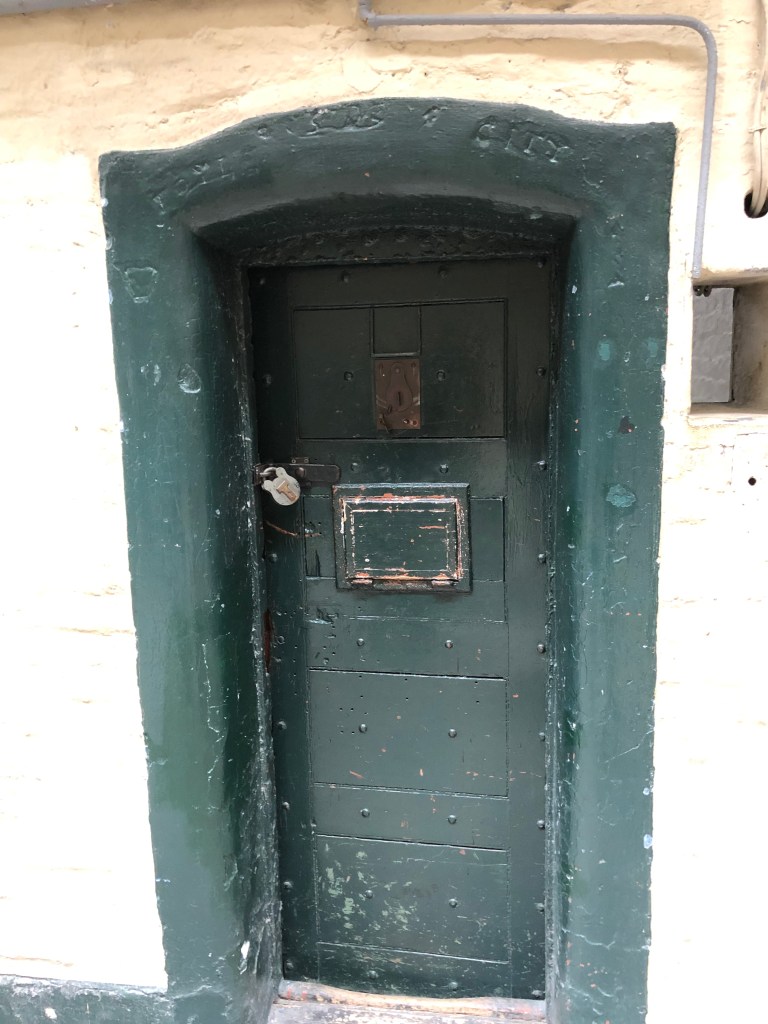
Walking through the jail was an interesting experience. It was very cold and dreary. According to the tour guide, back in the day, they believed that the cold stopped the prisoners from getting diseases. So, they would have preferred them die of coldness than of some sickness caused by the heat. The cell doors in the prison were also very short. I had to duck in order to get into most of them, and this made me ponder about the average size of an irishmen back in the 20th century. I think they must have been fairly short or crouched a lot.

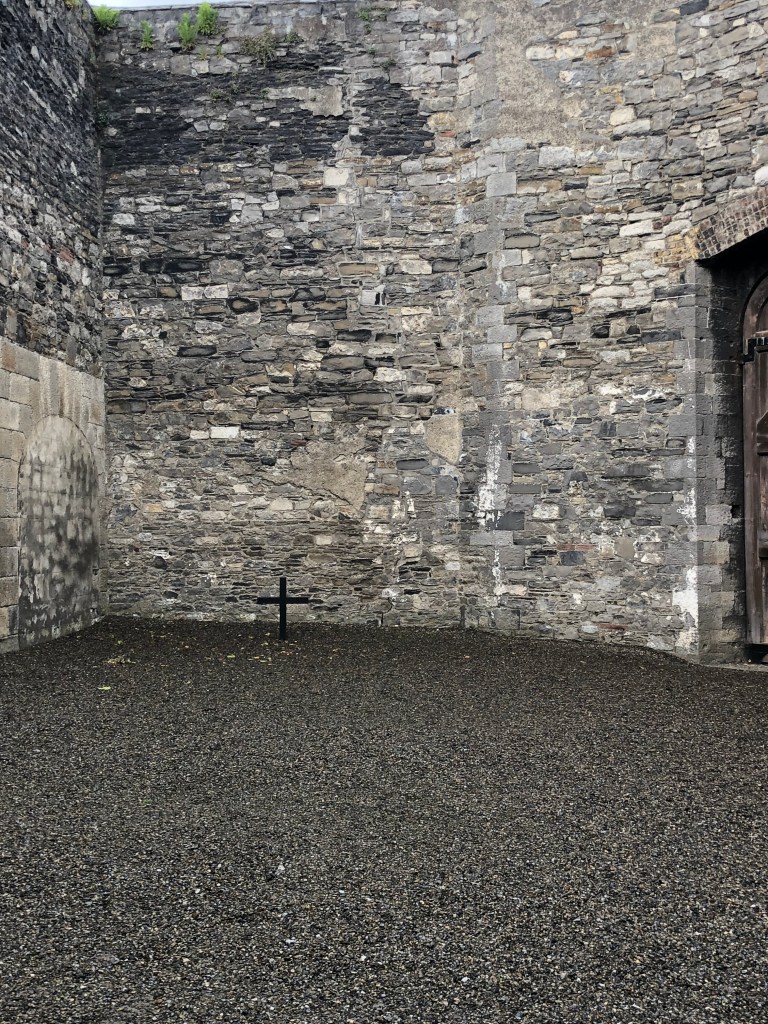
Courtyard Where Execution by Firing Squad Took Place

Being inside Kilmainham jail was one thing, but stepping onto the soil where some of the rebels of the Easter Rising where killed was a whole other experience. To stand feet away from where men where shot to death and have crosses mark the spots where they died was a horrific experience. When I visited the jail, it was raining. So I stood, in the pouring rain, in a courtyard where I could swear that I felt the weight of death bearing down on me. By entering the courtyard, I felt as though I was some how defiling a sacred space, where men had been led to their deaths. The experience is one I am sure to never forget, but I am not sure that I would ever repeat.